The variety of wildlife we got to experience was truly spectacular. We were chatting on our bus transfer to the Cuyabeno Reserve that we were hoping to see a lot of birds and monkeys and were wondering what kinda creepy crawly jungle things we would see. I specifically remember saying that it would be amazing if we got to see an anaconda, sloth, or tucan, knowing full well this was not a petting zoo, so any animal sightings would be on their terms and not ours. This was a key element for us: seeing the animals in their natural environment.
Twenty minutes into our boat ride from the gateway to the reserve...Anaconda, another ten minutes...Sloth.
We were totally amazed and happy to have experienced the Amazon Basin and hope to return there someday.
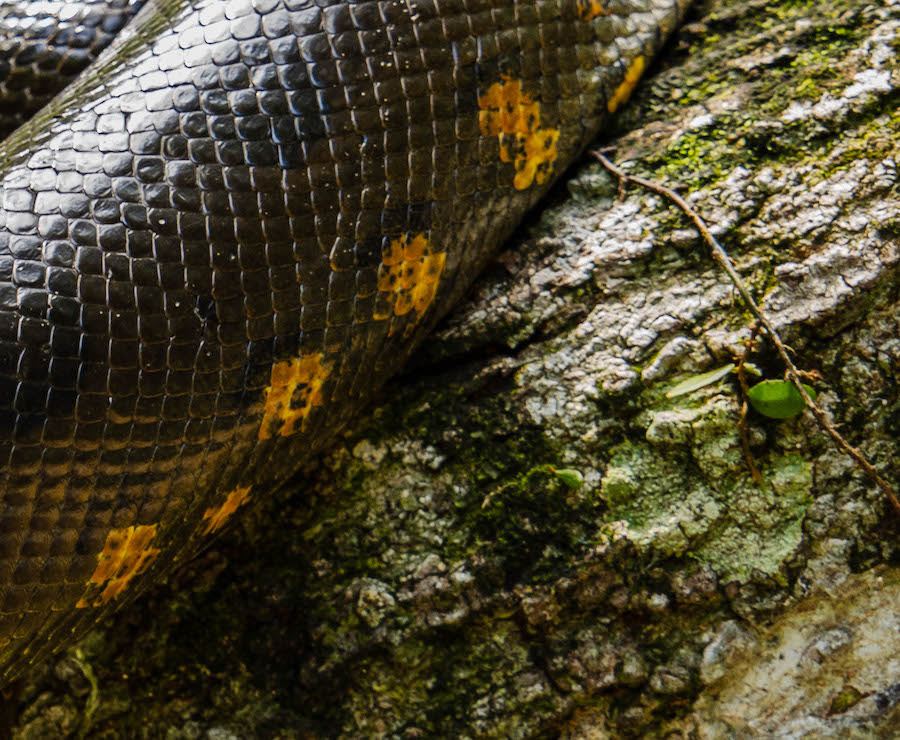
Anaconda
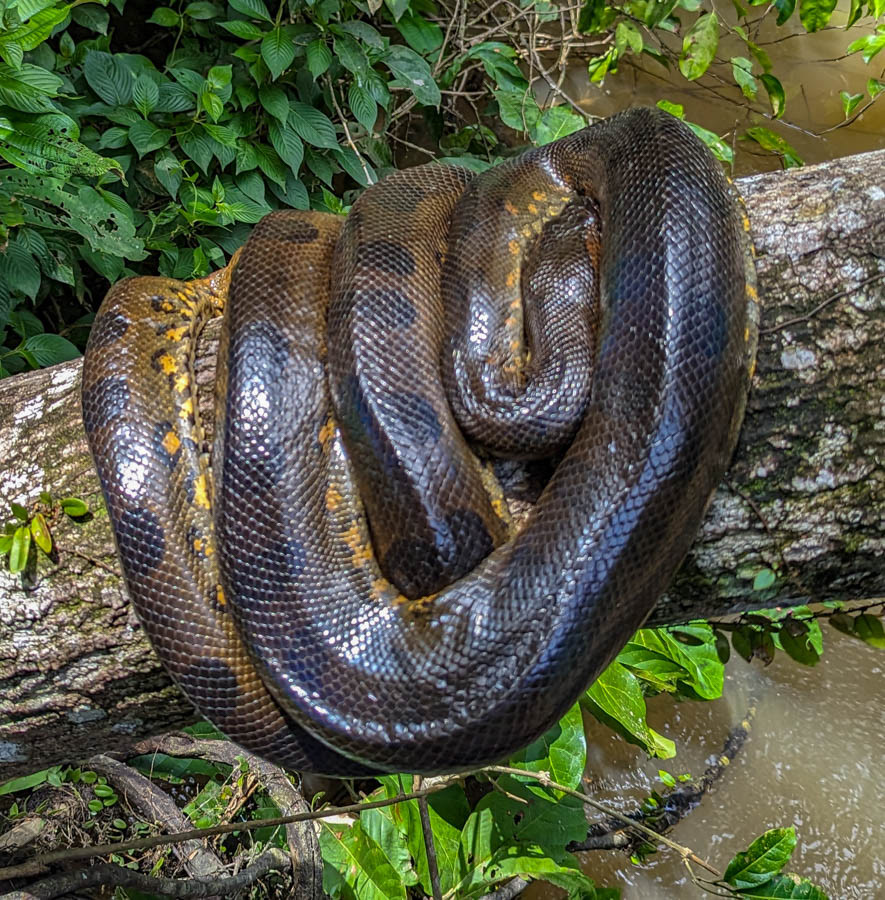
Estimated to be 11 feet long
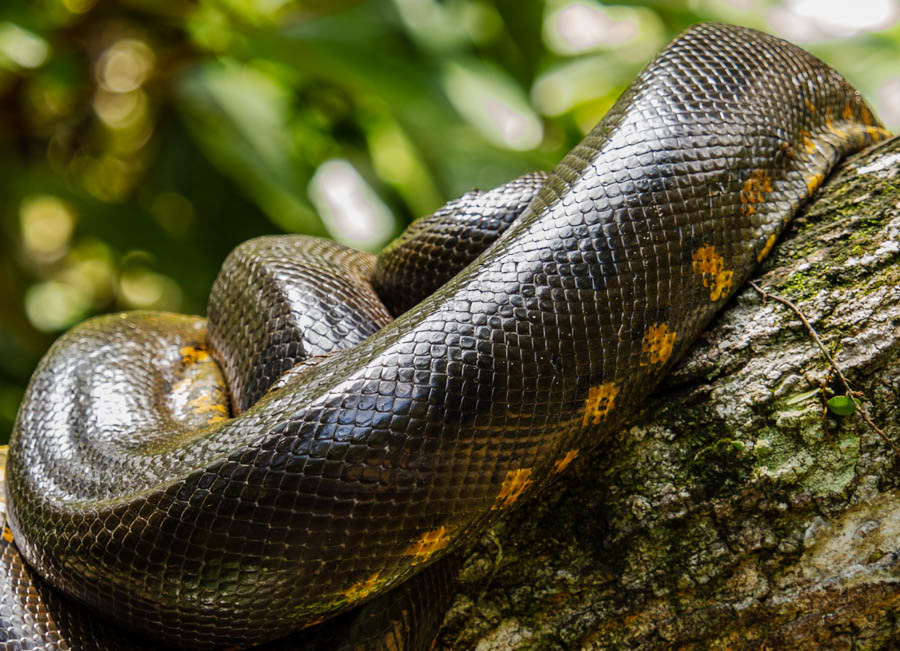
Anaconda
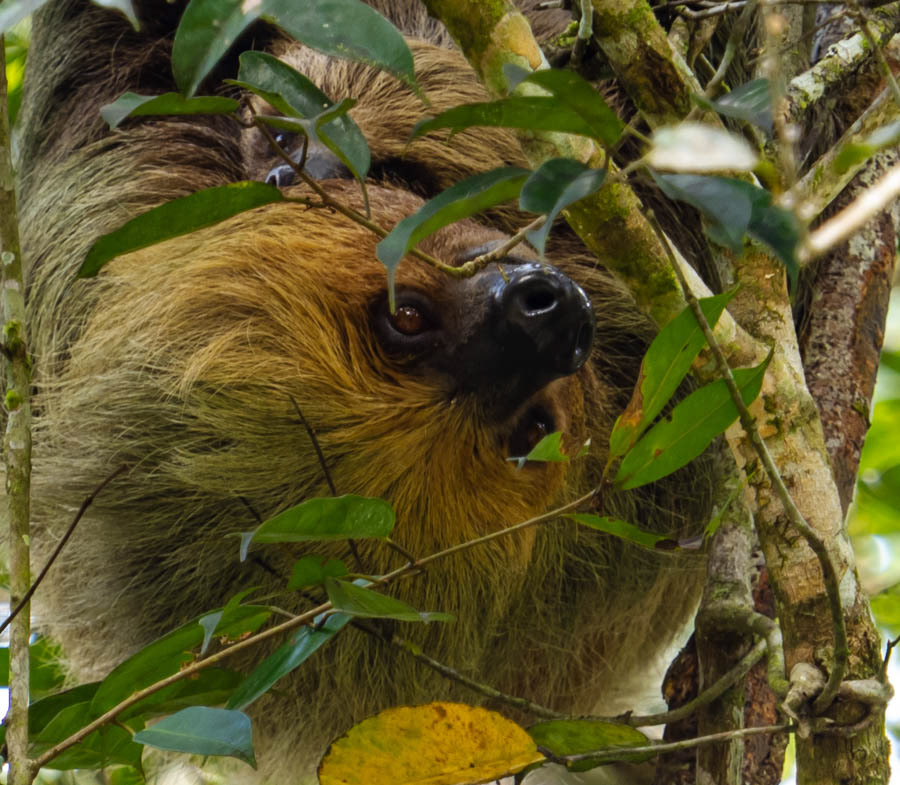
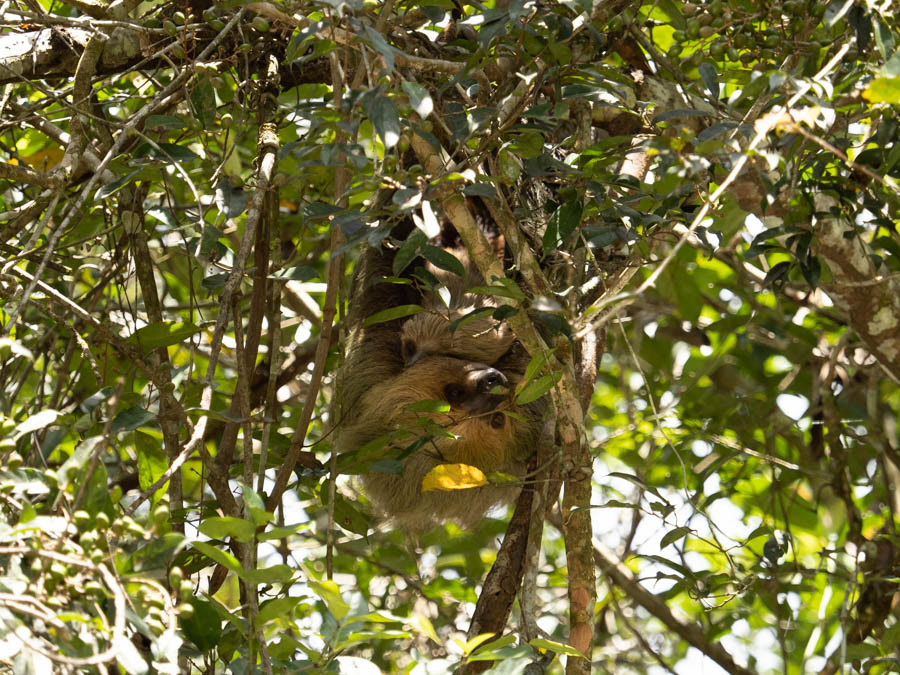
Mama sloth and her baby
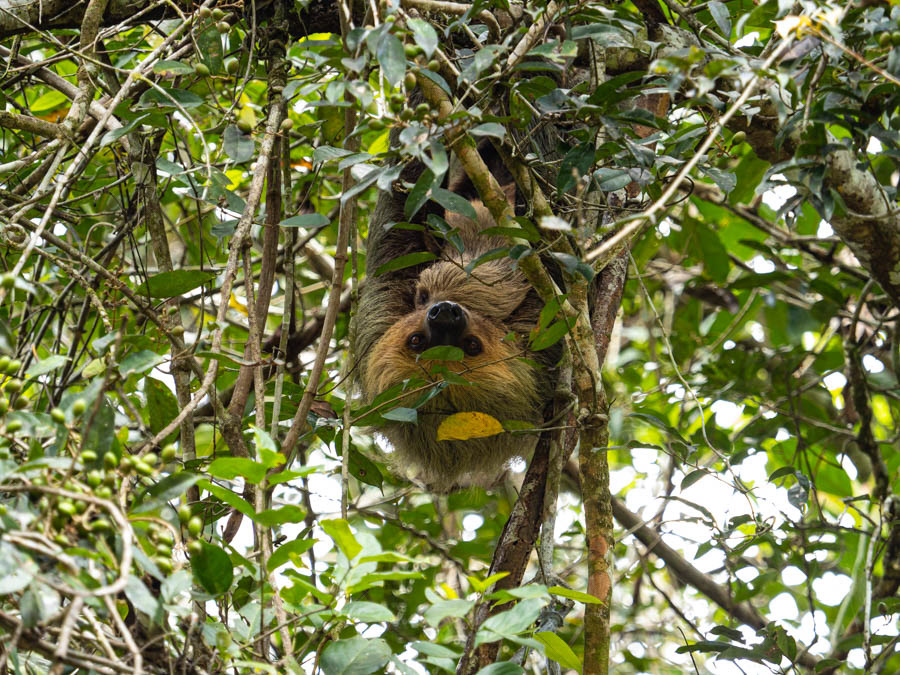
Truly a special sight to see
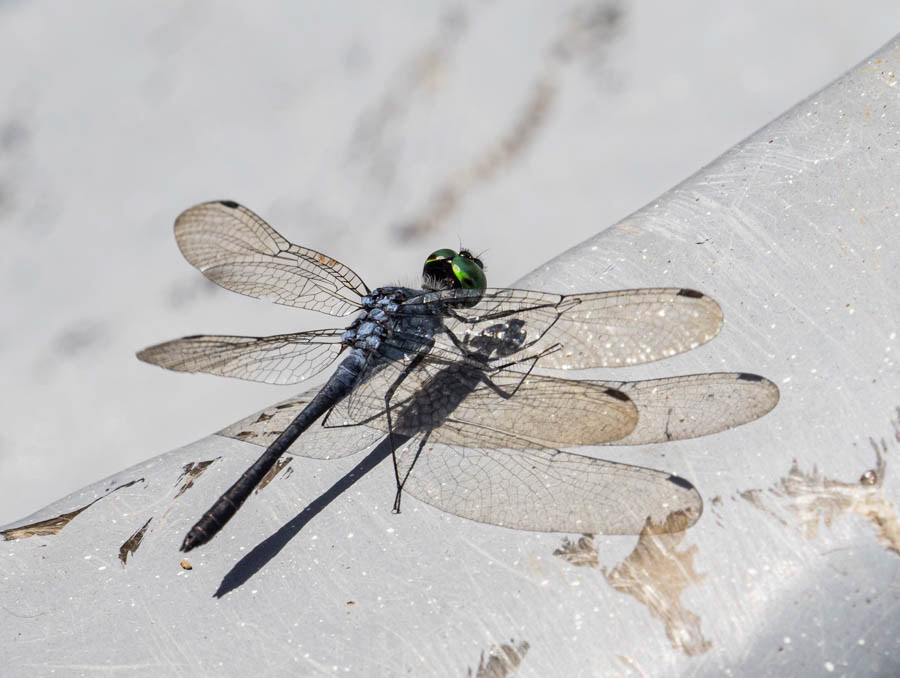
Dragonfly hitching a ride on the motorized canoe

Social Spider - Thousands of tiny spiders living together.

Peleides Blue Morpho Butterfly
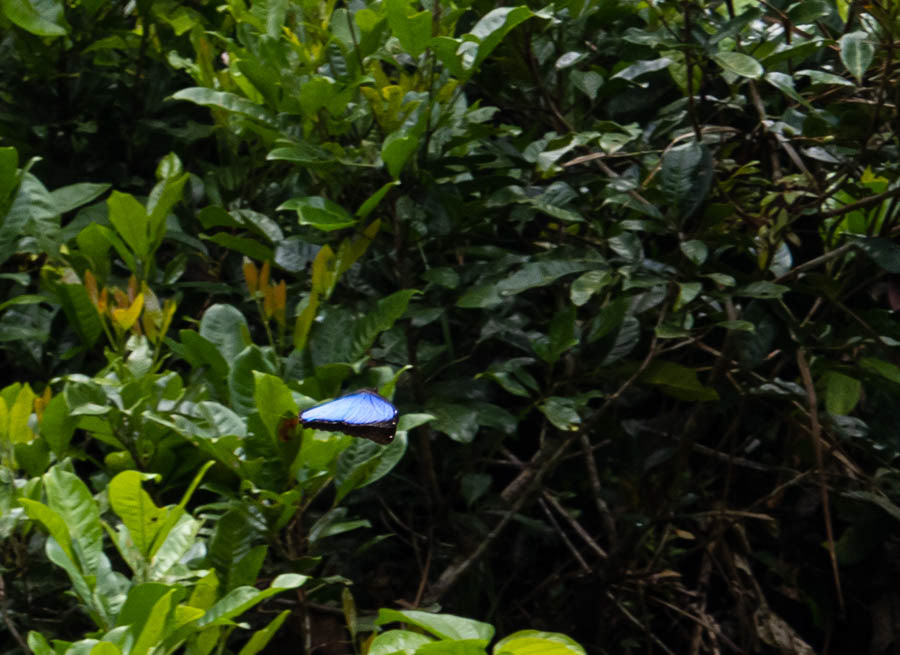
The wings are not actually blue in color. They use diffraction of UV light from millions of tiny scales to create the brilliant blue as a way to frighten off predators.
We saw six monkey species: Monk Saki, Wolly, Red Howler, Capuchin, Flying Monkey (no photos), and Owl Monkey (or Night Monkey).
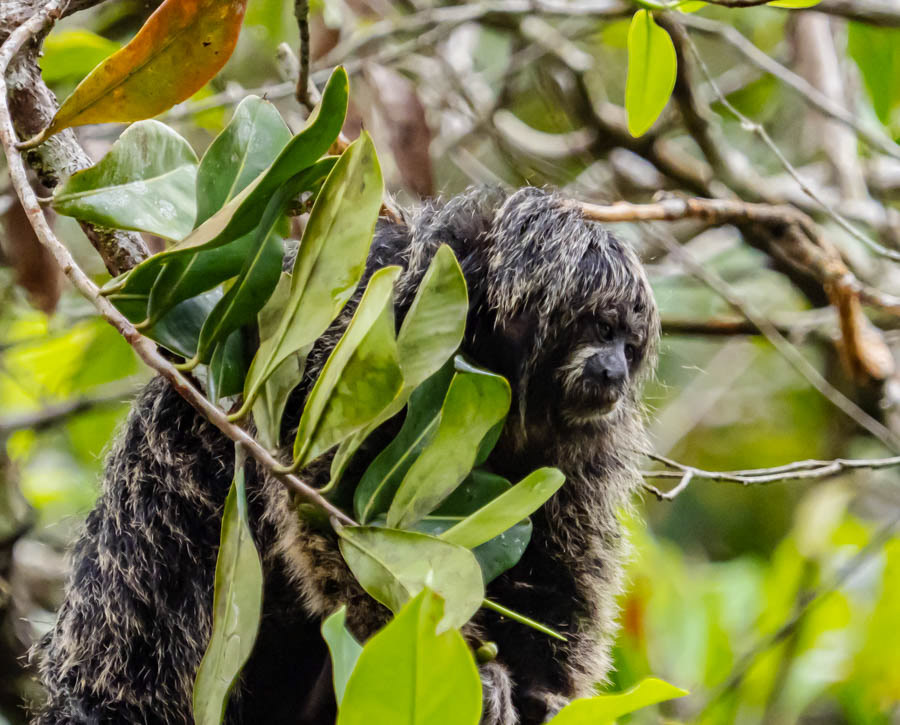
Monk Saki Monkey
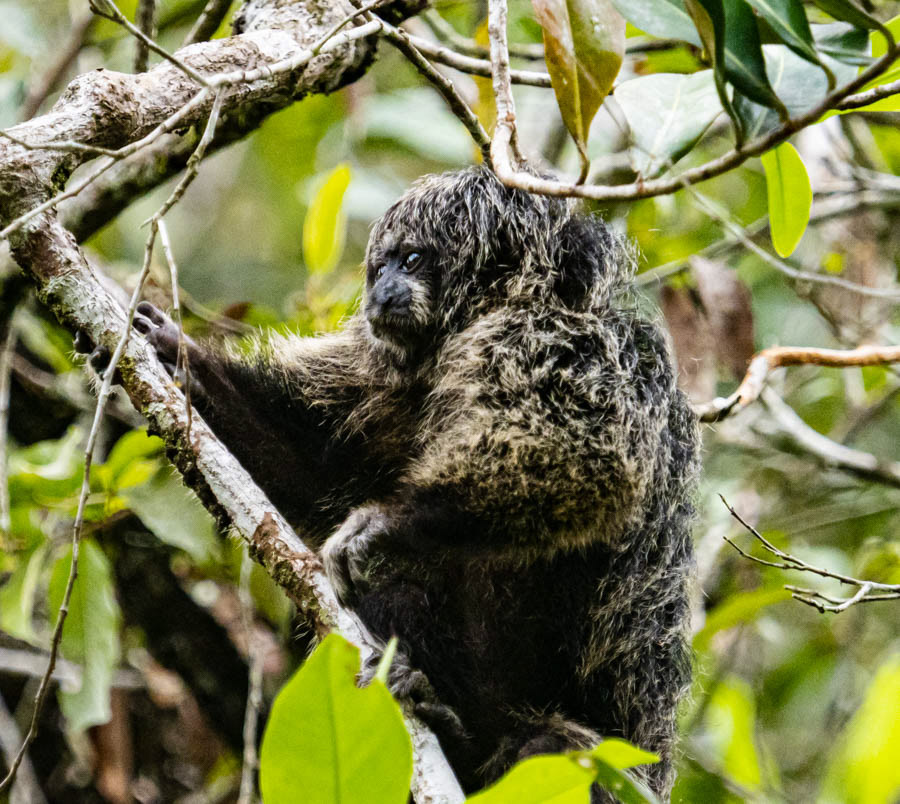
Monk Saki Monkey
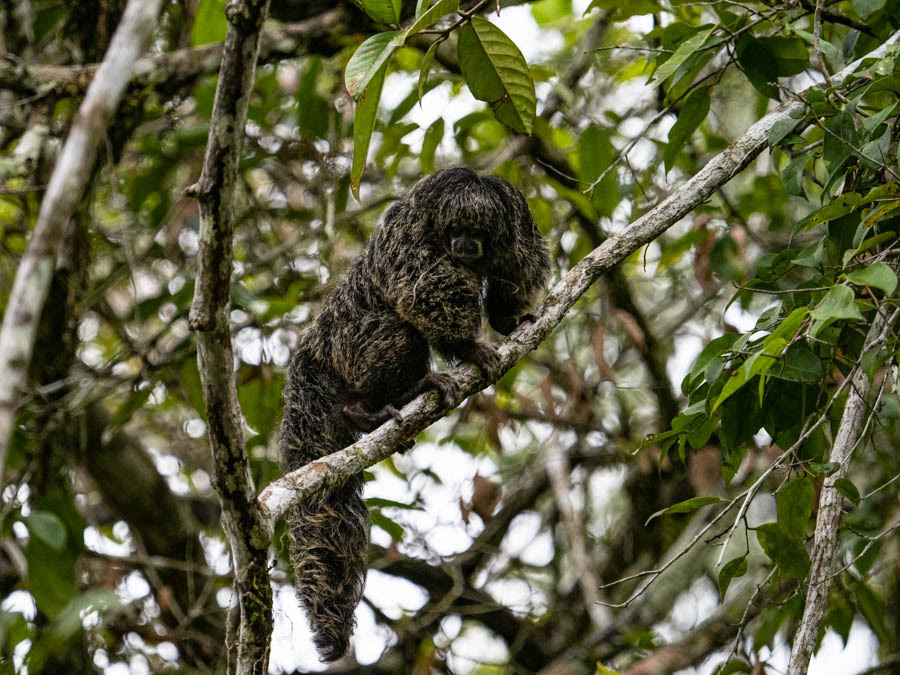
Monk Saki Monkey
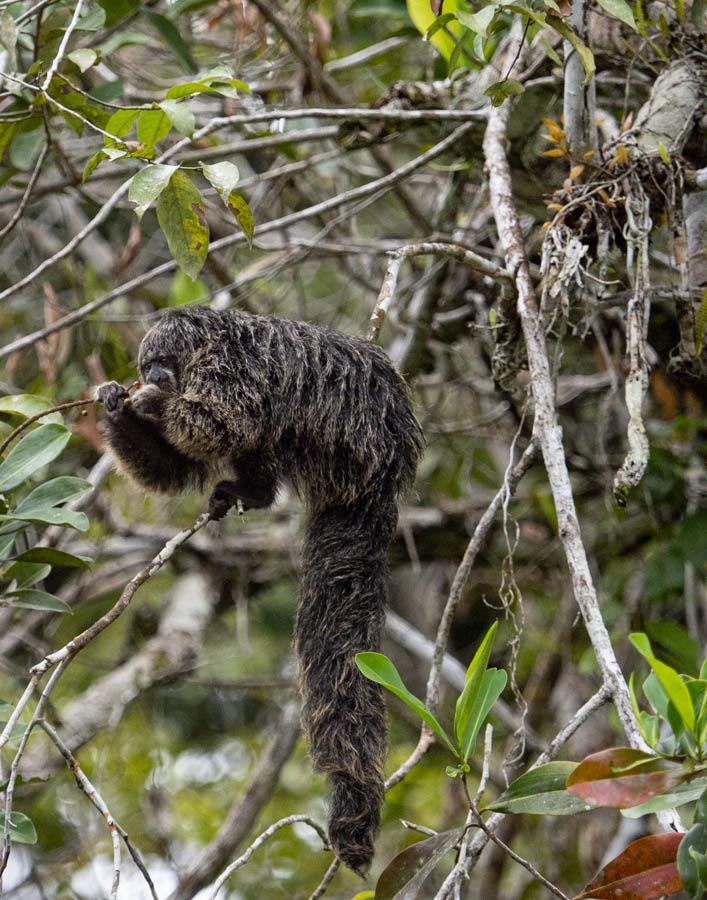
Monk Saki Monkey
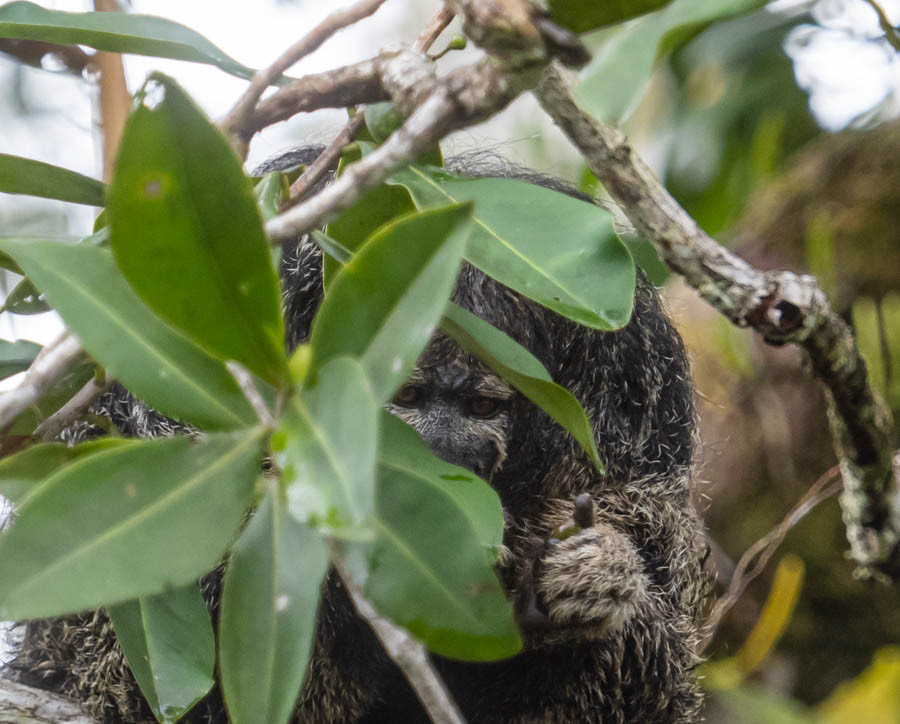
Monk Saki Monkey
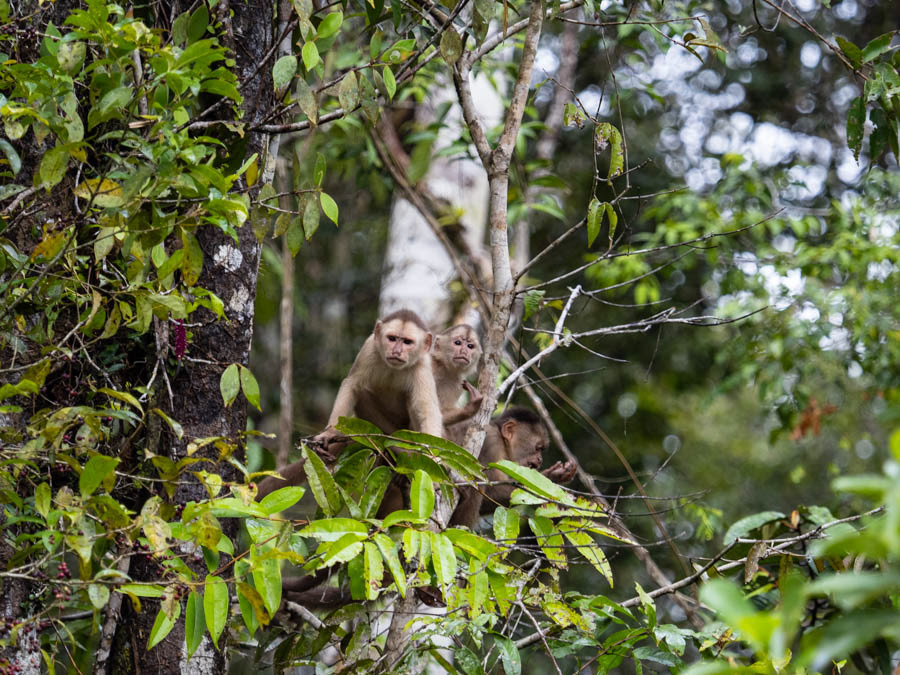
Capuchin Monkey

Capuchin Monkey

Capuchin Monkey

Capuchin Monkey
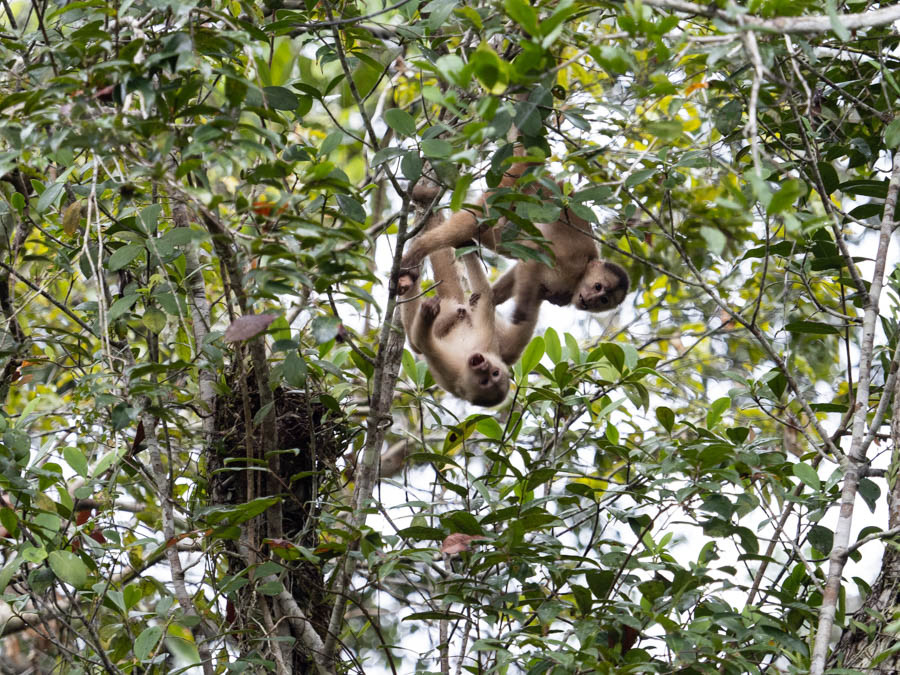
Capuchin Monkey
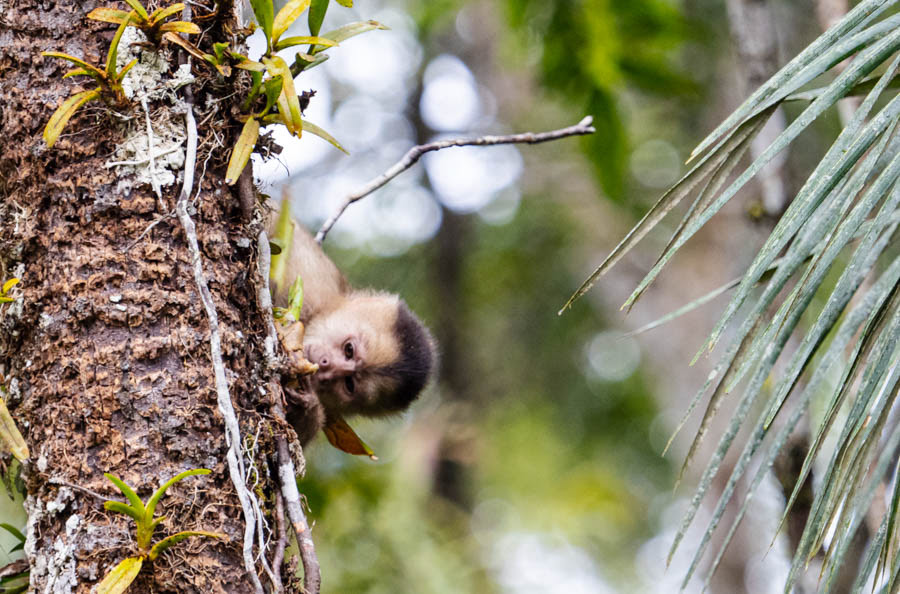
Capuchin Monkey

Capuchin Monkey
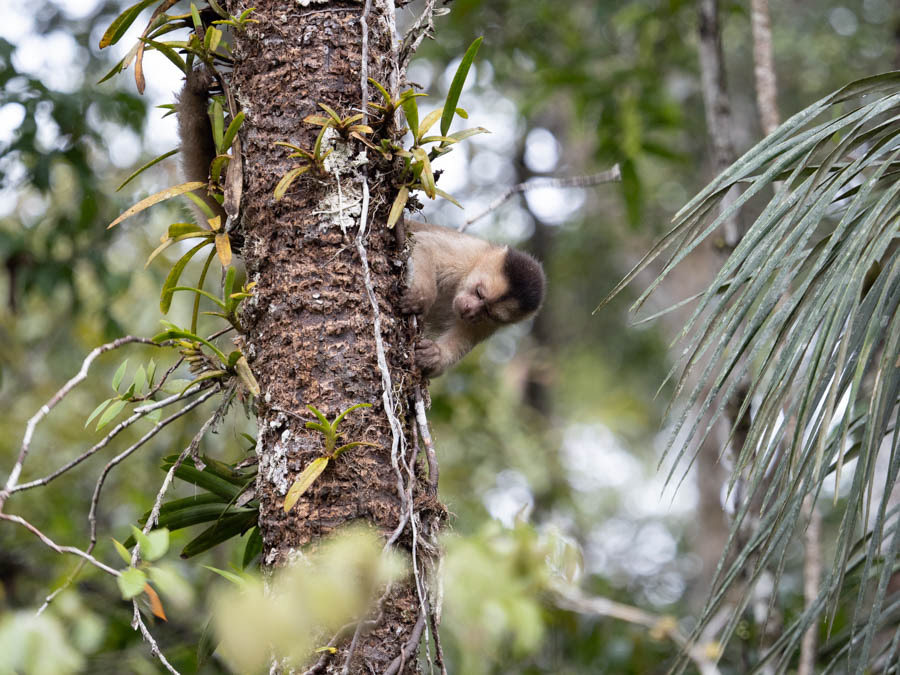
Capuchin Monkey
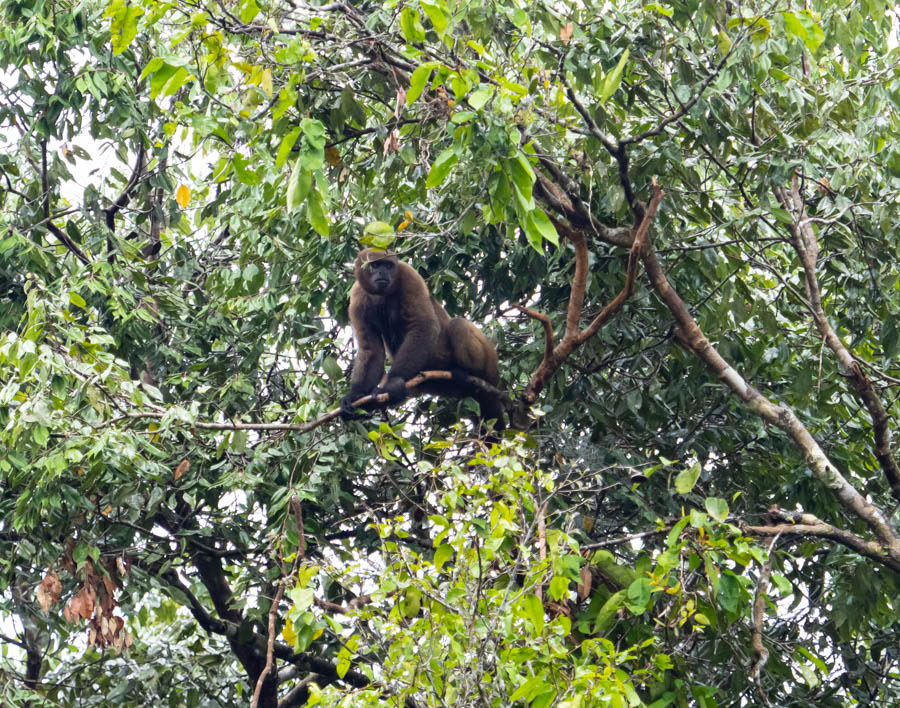
Wooly Monkey

Red Howler Monkey
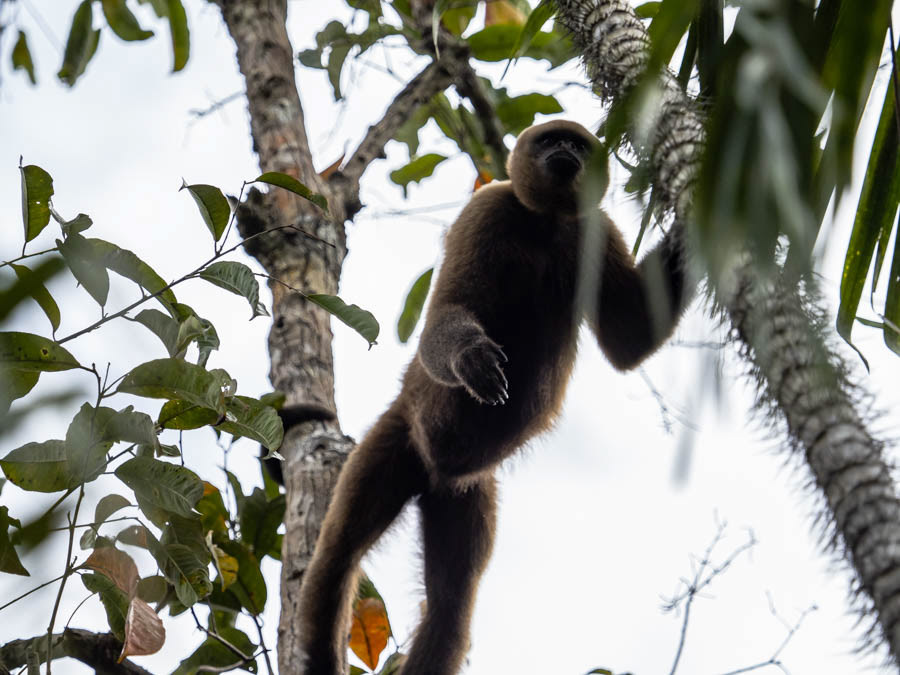
Wooly Monkey
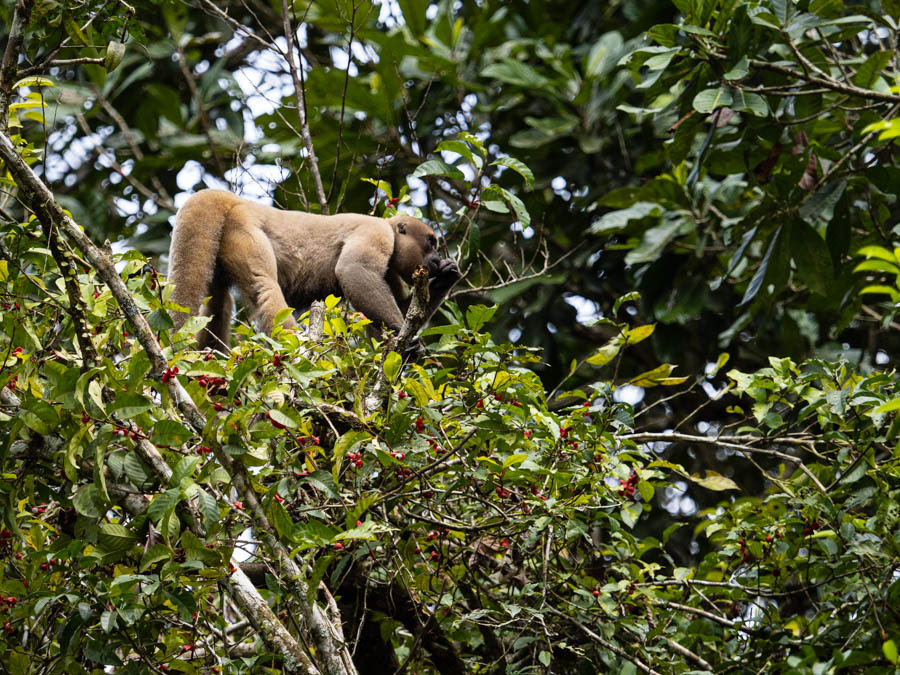
Wooly Monkey
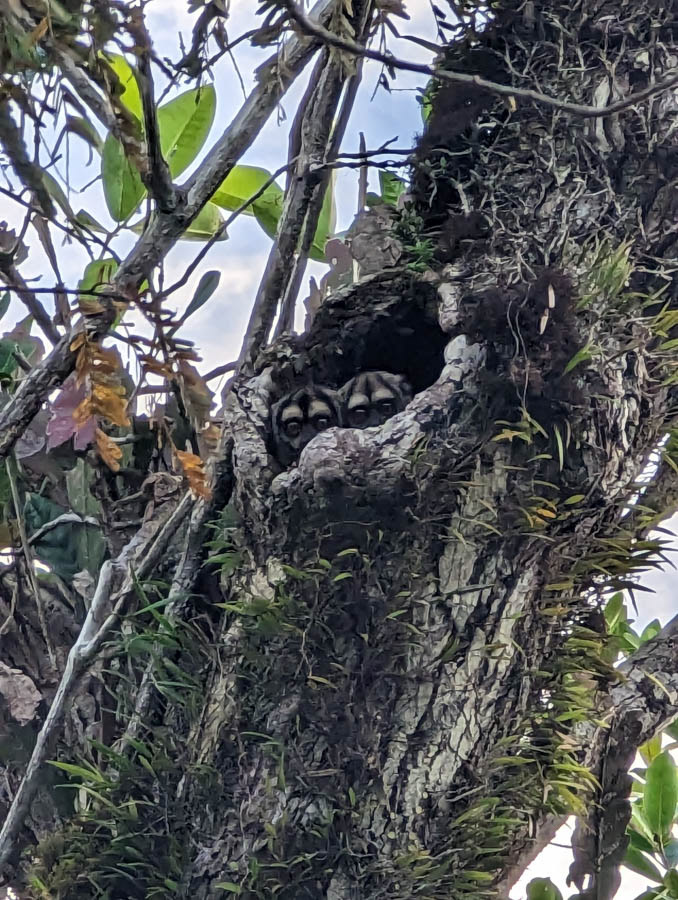
Owl Monkey (or Night Monkey)
The variety of birds we got to see and hear was amazing.
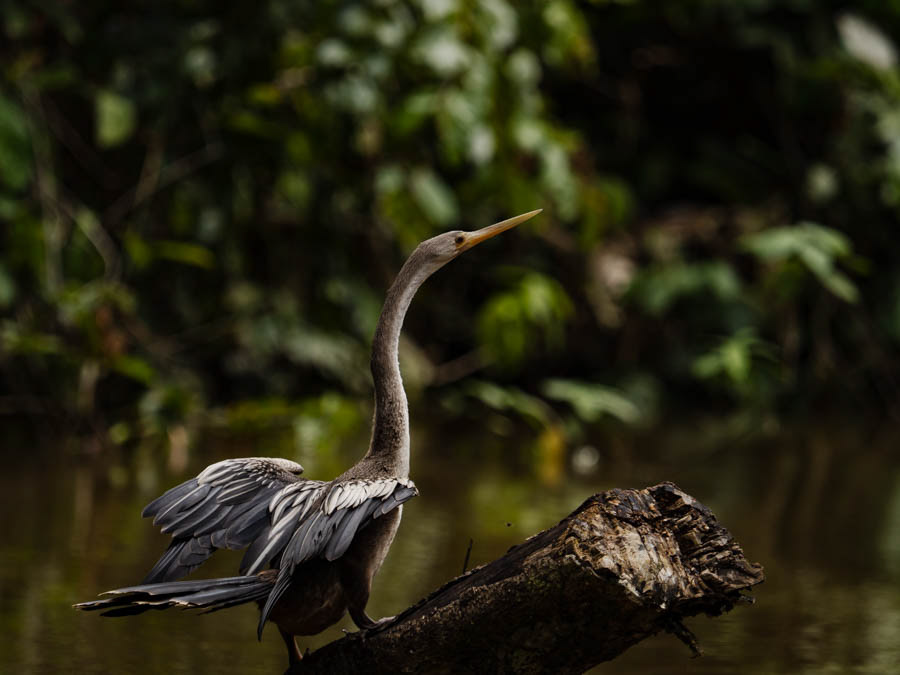
Ahinga - similar to a cormorant
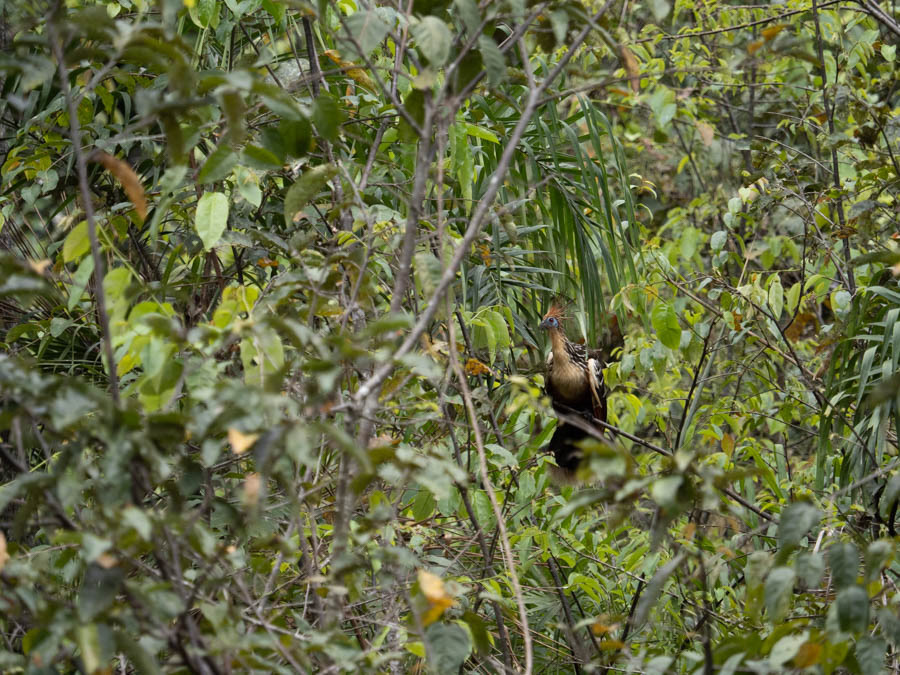
Hoatzin - best described as a clumsy turkey.
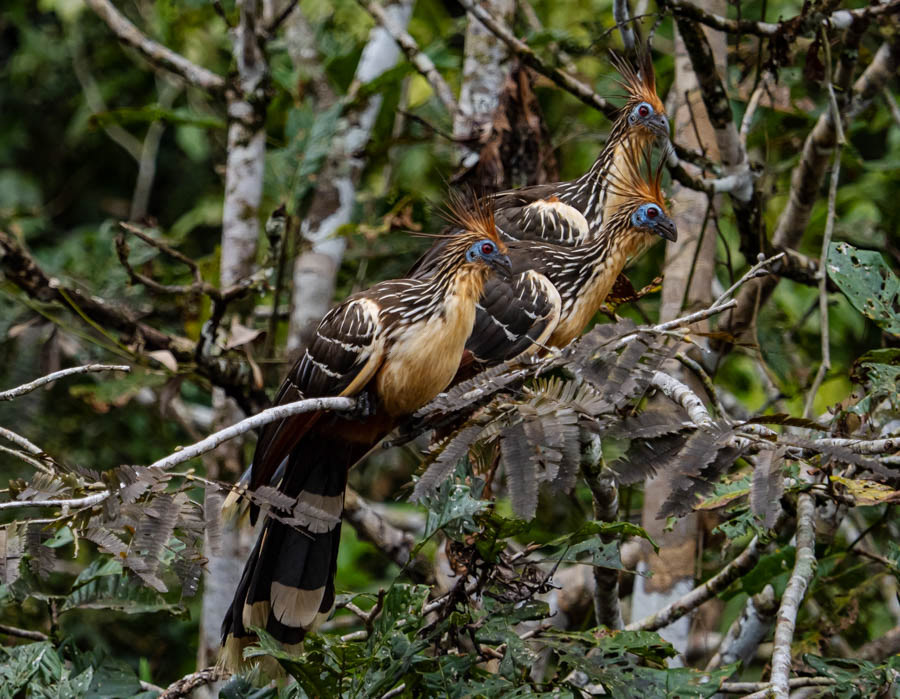
Research indicates that the hoatzin is the last surviving member of a bird line that branched off in its own direction 64 million years ago, shortly after the extinction event that killed the non-avian dinosaurs.

Blue and Yellow Macaw
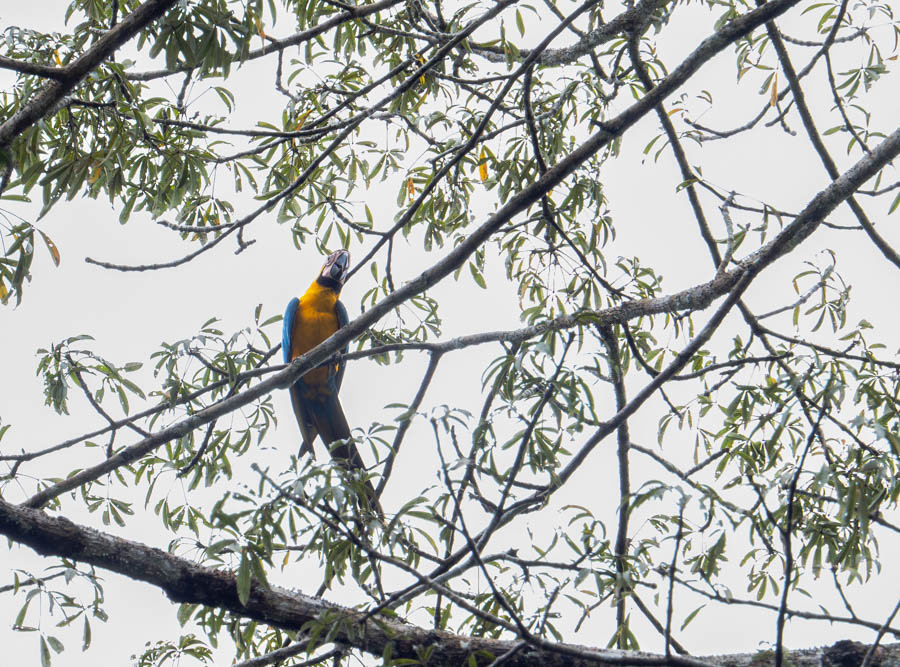
Blue and Yellow Macaw

Ibis

Scarlet Macaw

Black Caracara
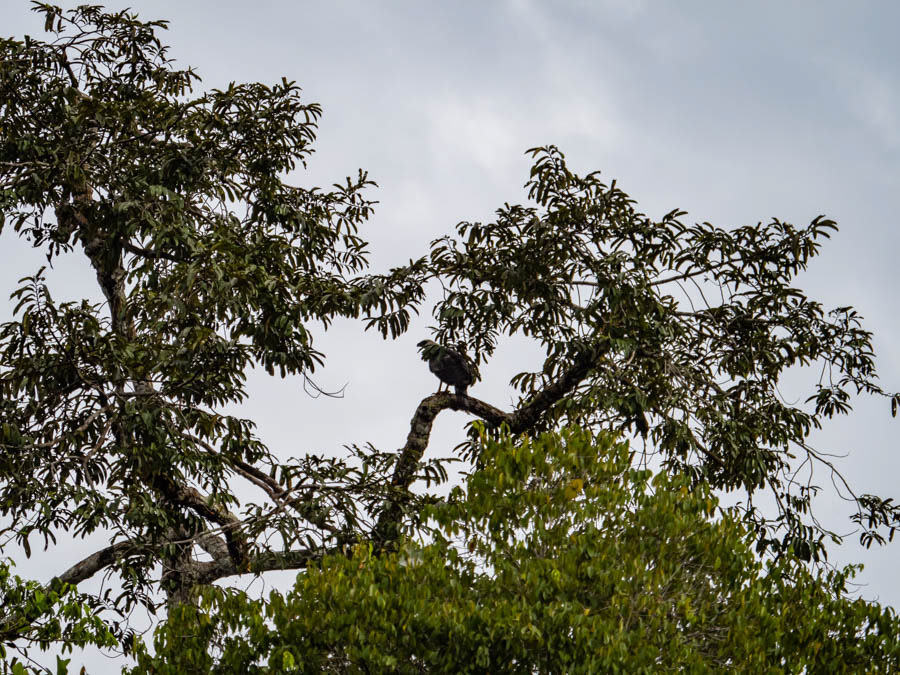
Harpy Eagle
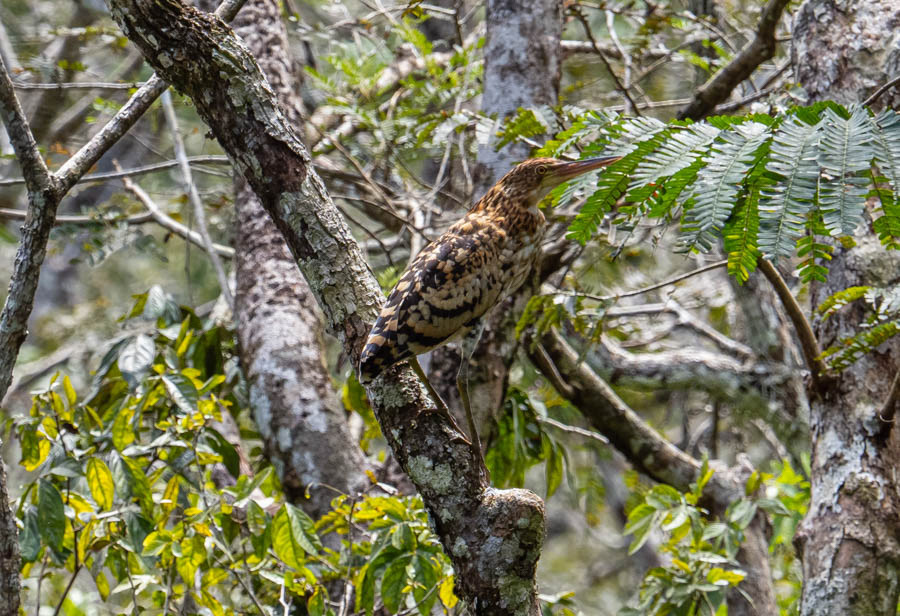
Tiger Heron
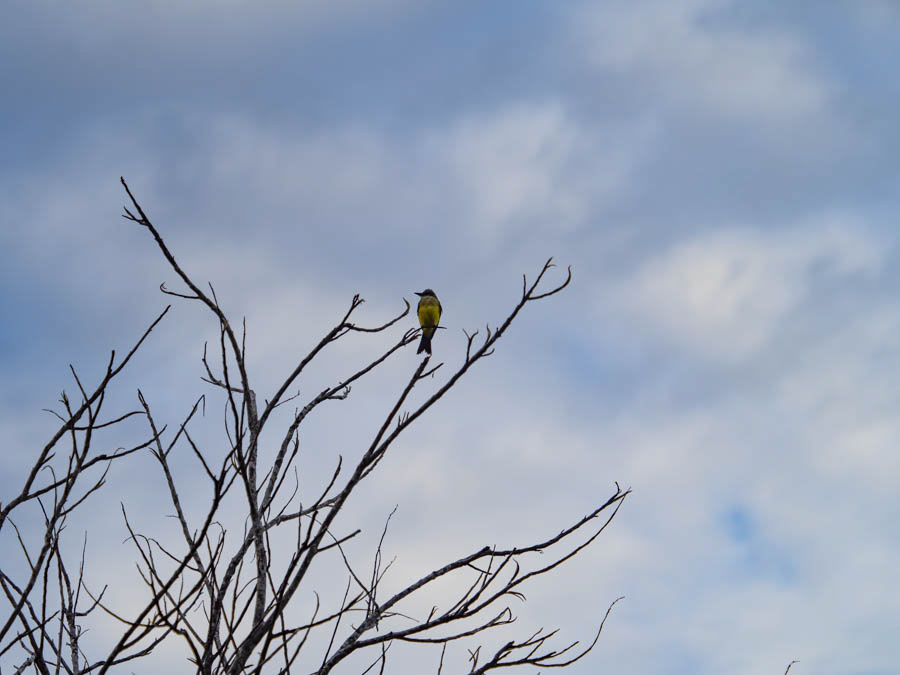
White-Throated King Bird
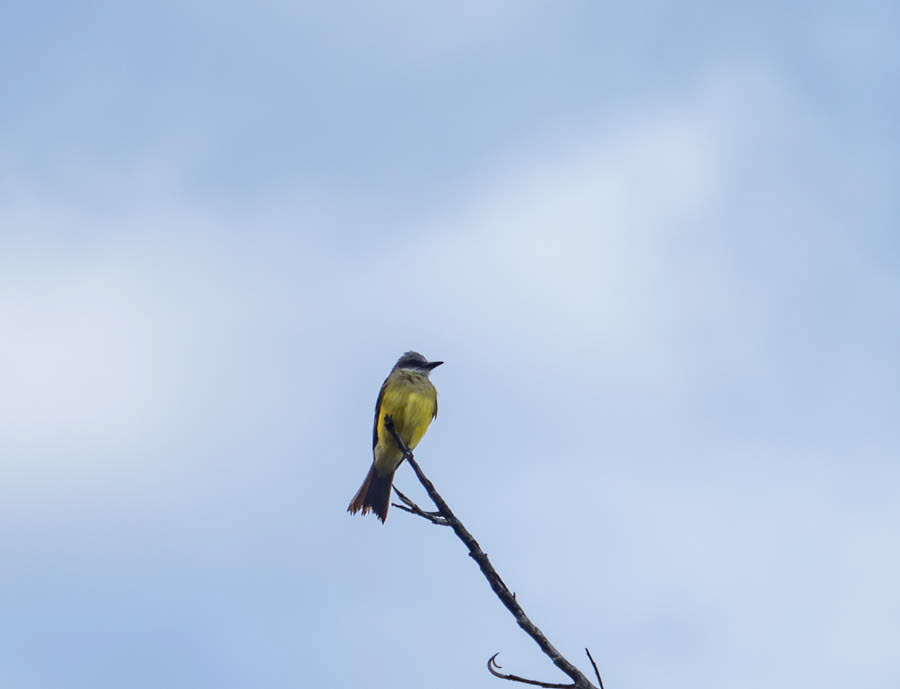
White-Throated King Bird

Fiery-Billed Toucan

Fiery-Billed Toucan
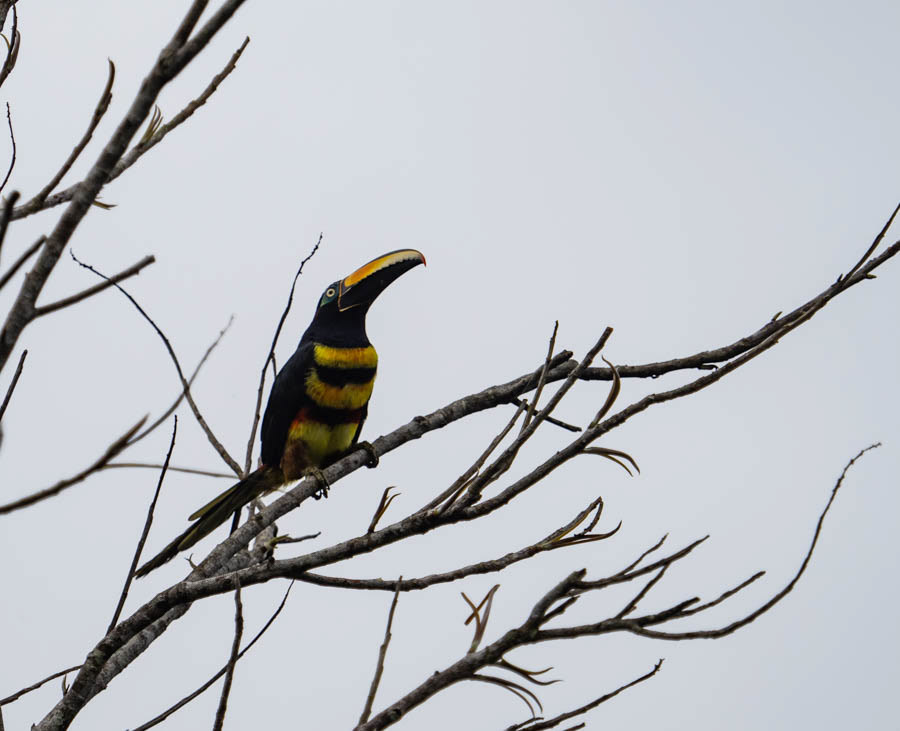
Fiery-Billed Toucan
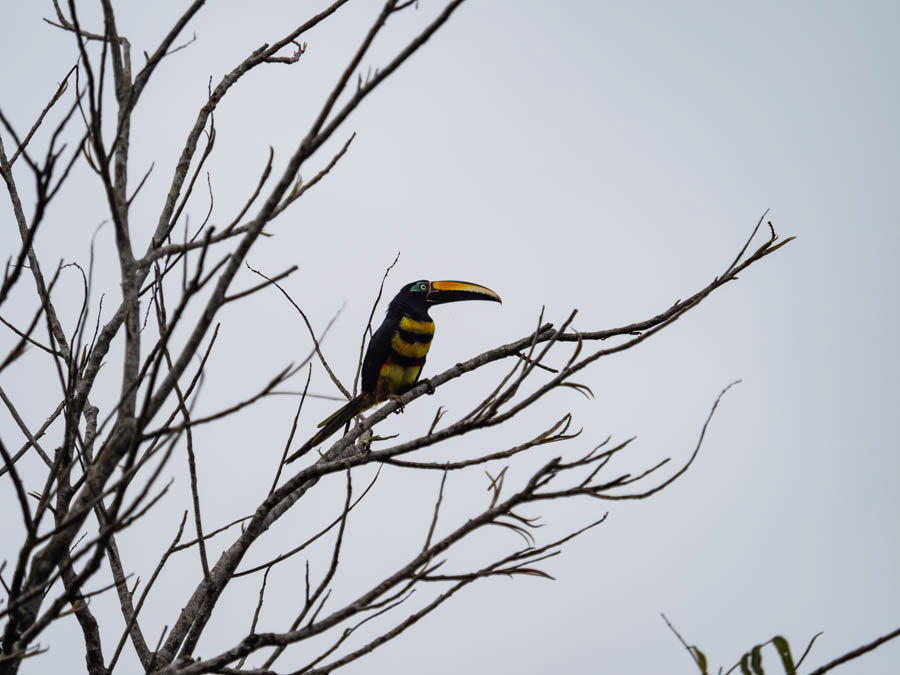
Fiery-Billed Toucan
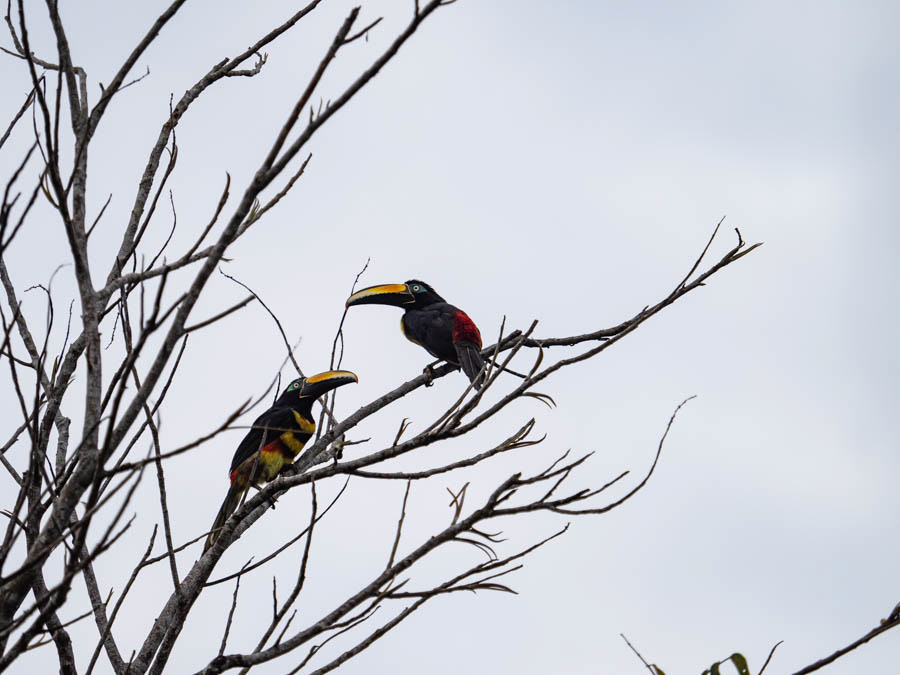
Fiery-Billed Toucan
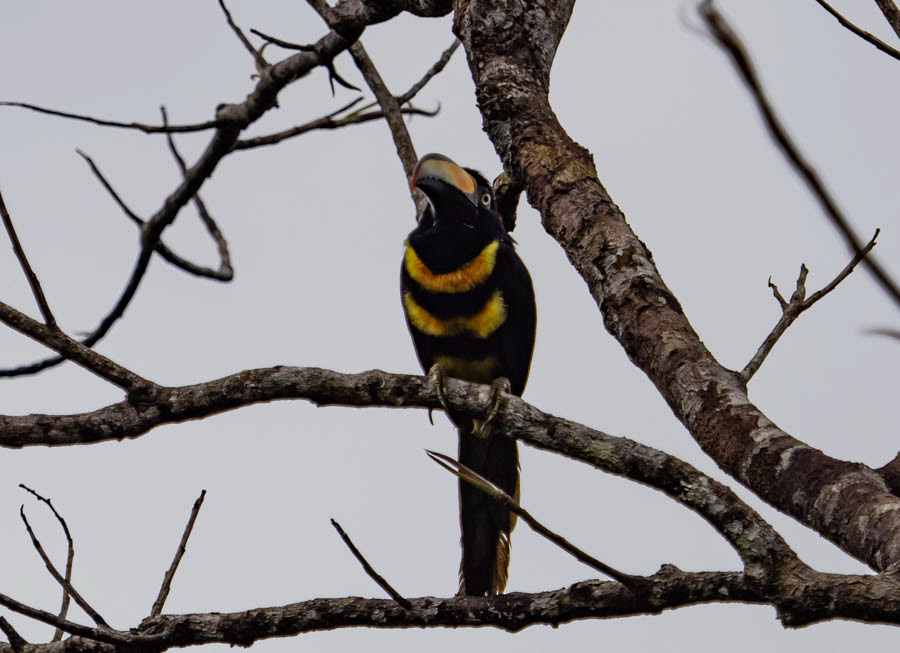
Fiery-Billed Toucan
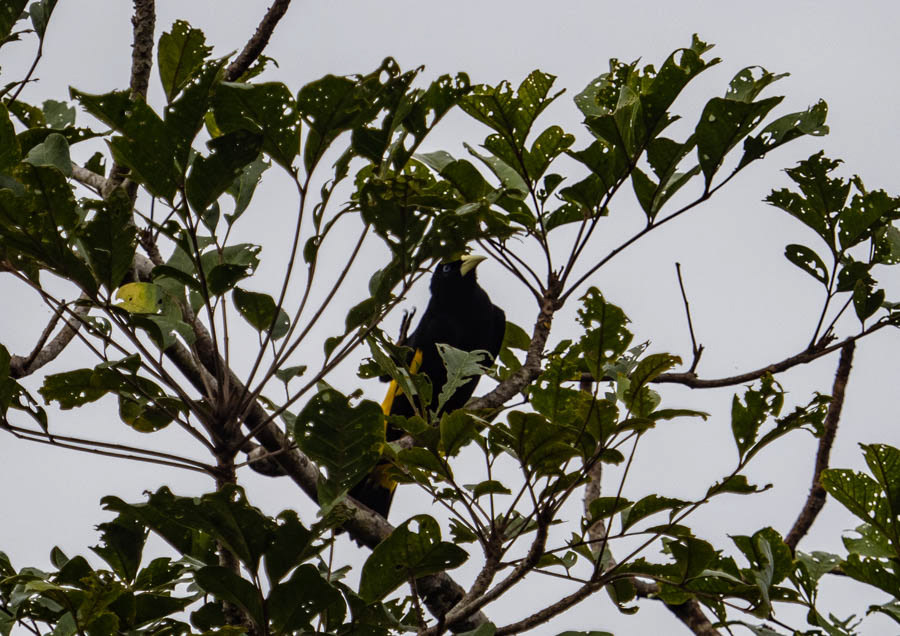
Yellow-Winged Cacique
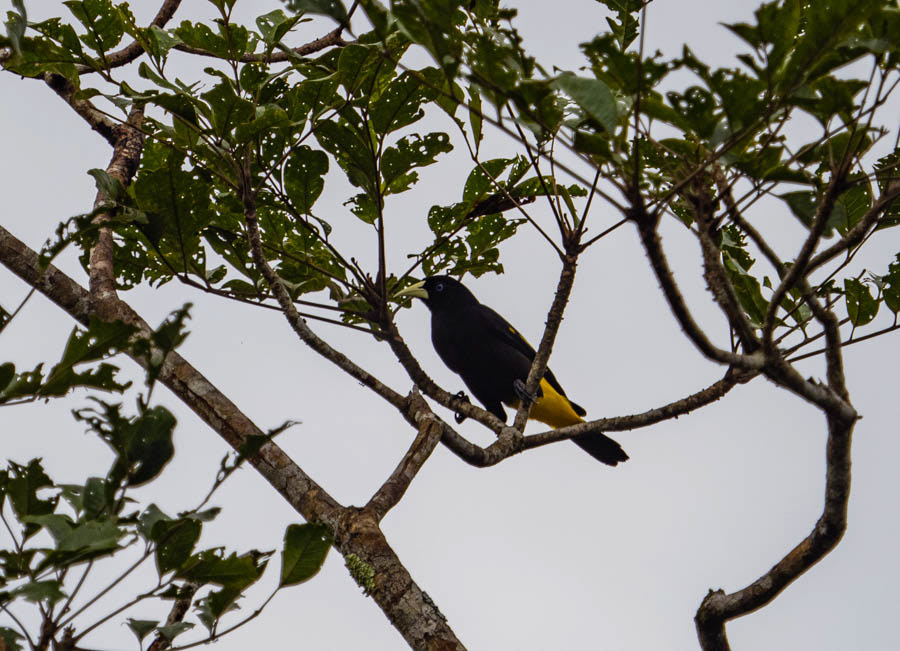
Yellow-Winged Cacique
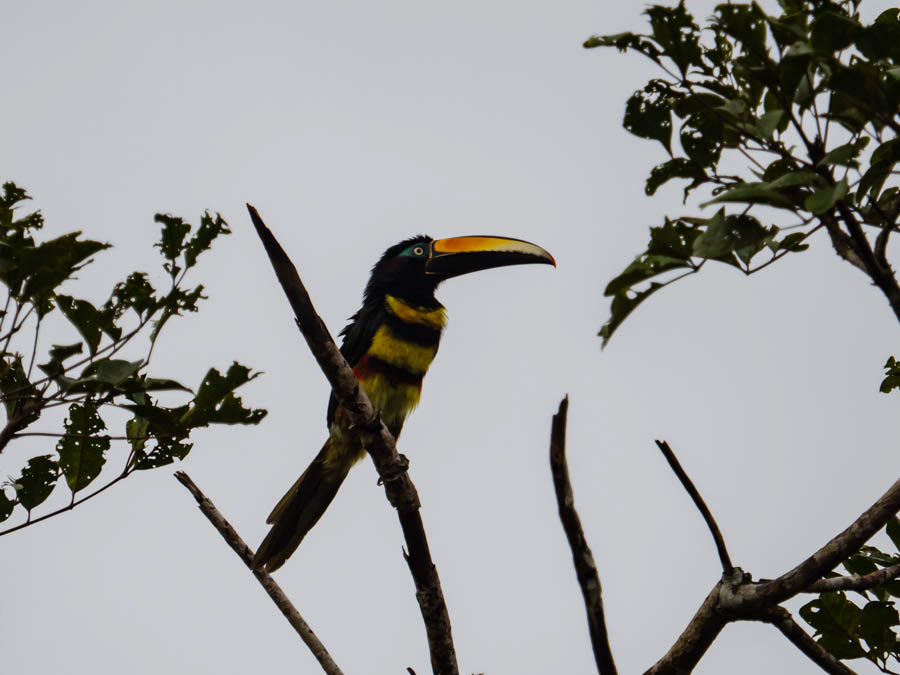
Fiery-Billed Toucan
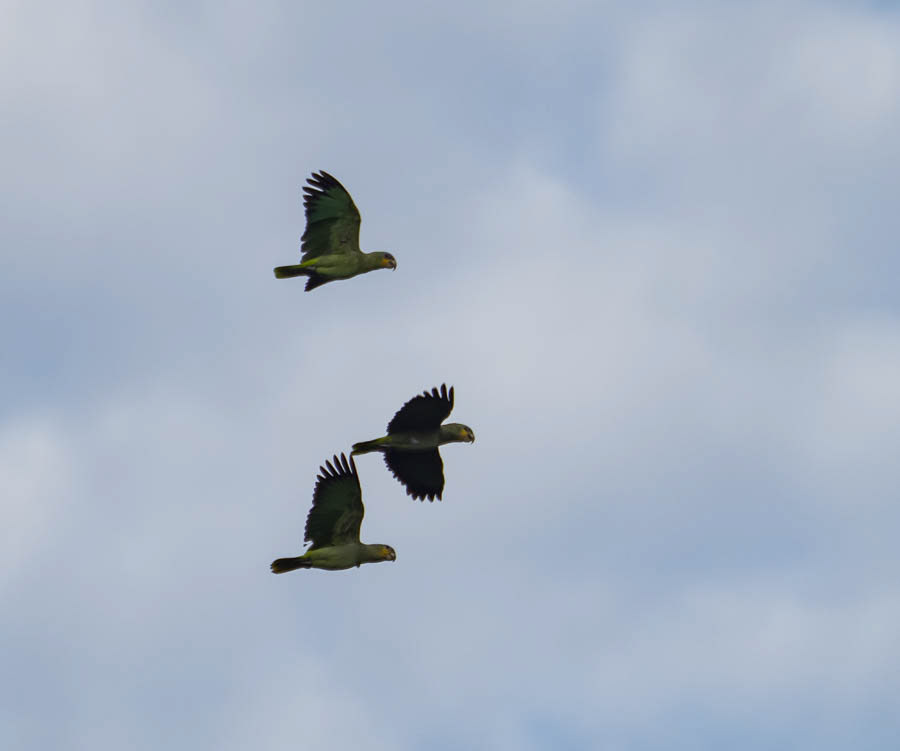
Orange-Winged Parrot
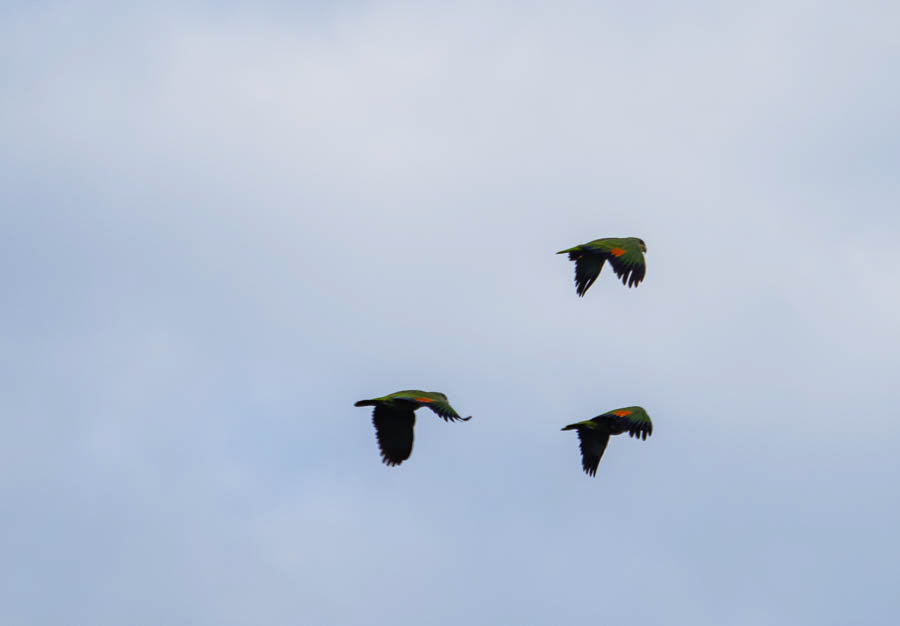
Orange-Winged Parrot

Fiery-Billed Toucan
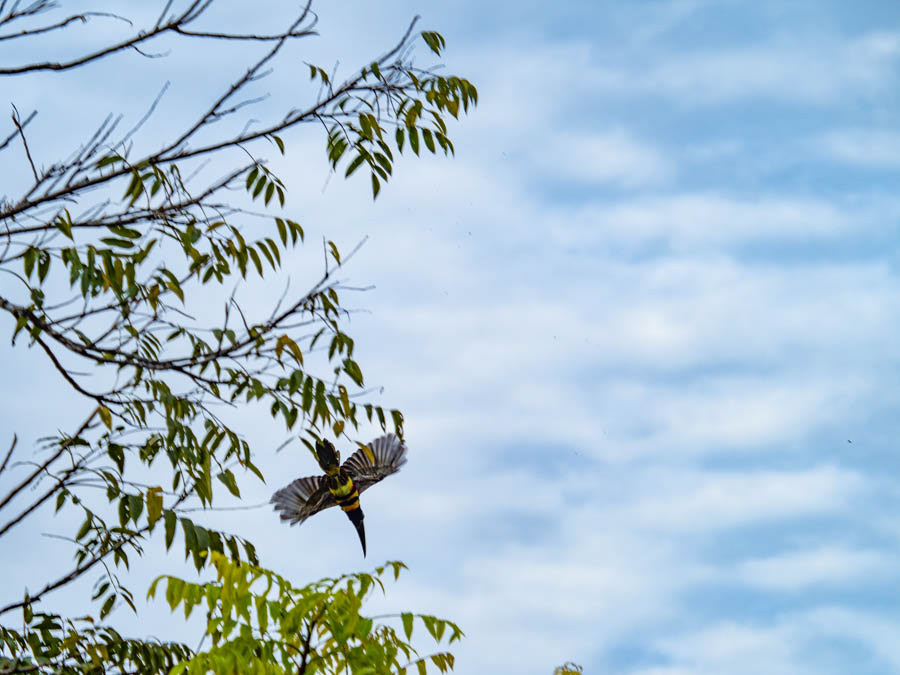
Fiery-Billed Toucan
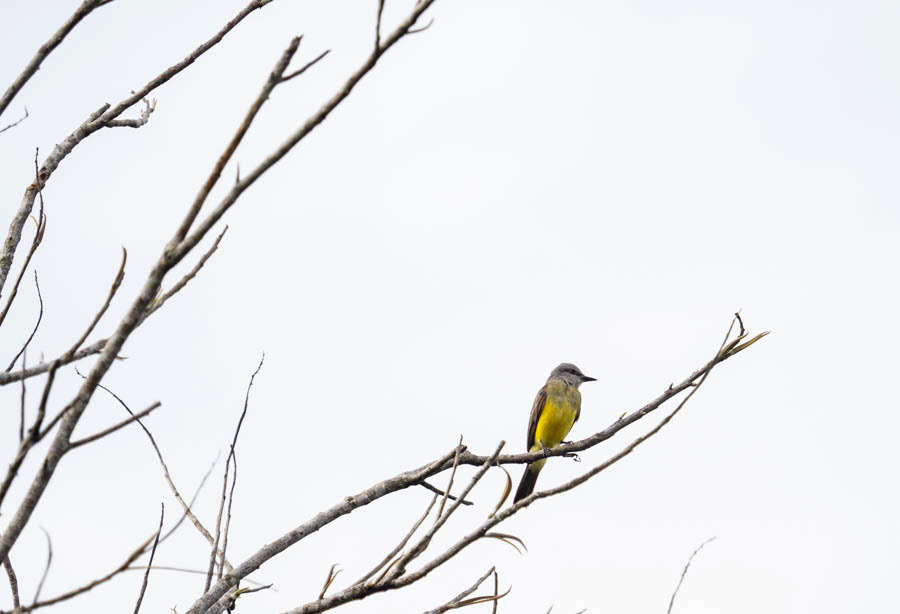
White-Throated King Bird
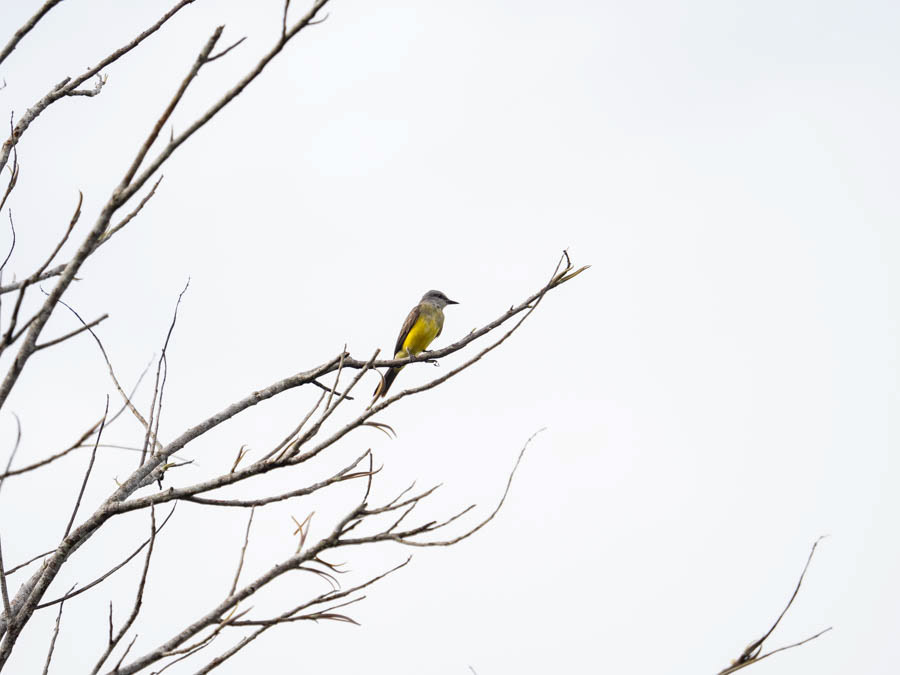
White-Throated King Bird

Yellow-Headed Vulture
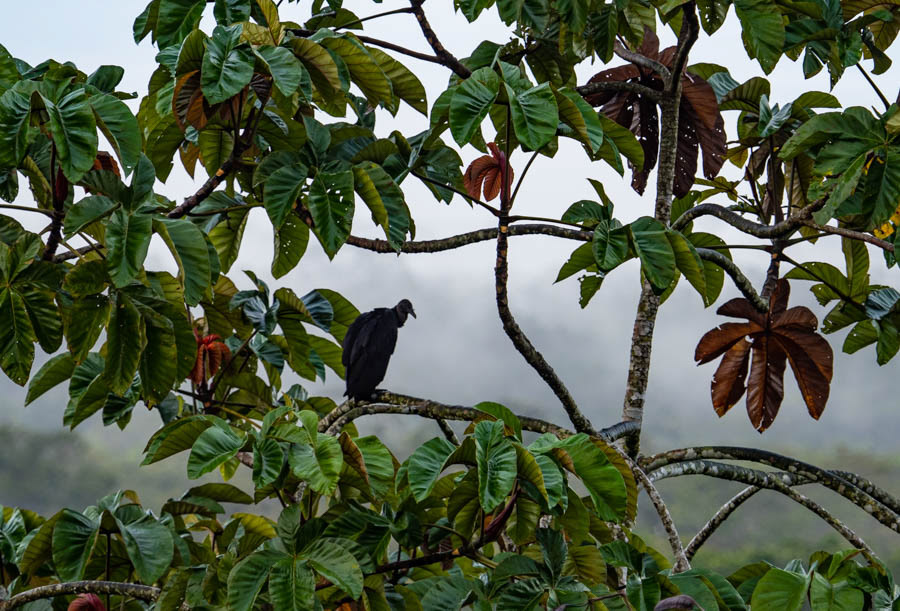
Yellow-Headed Vulture
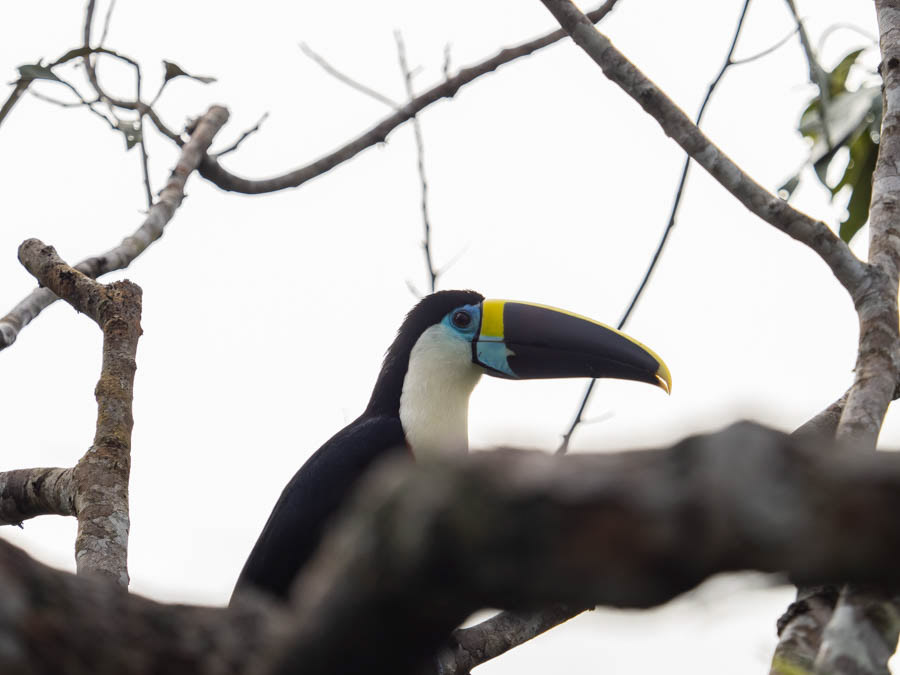
White-Throated Toucan
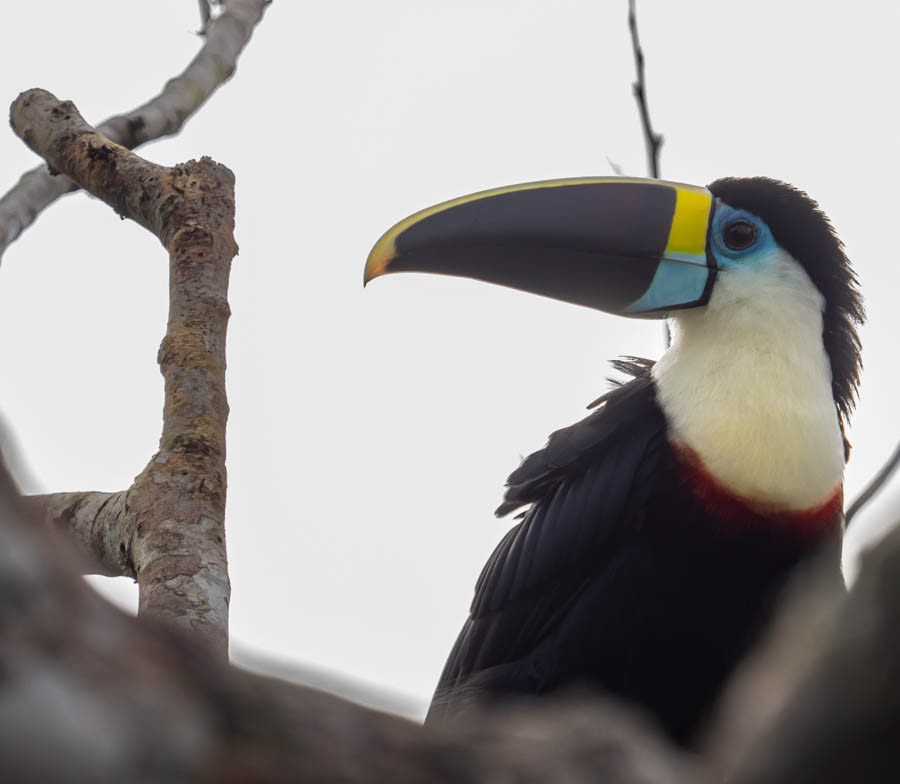
White-Throated Toucan
Bugs and other assorted creepy crawly things 🪲
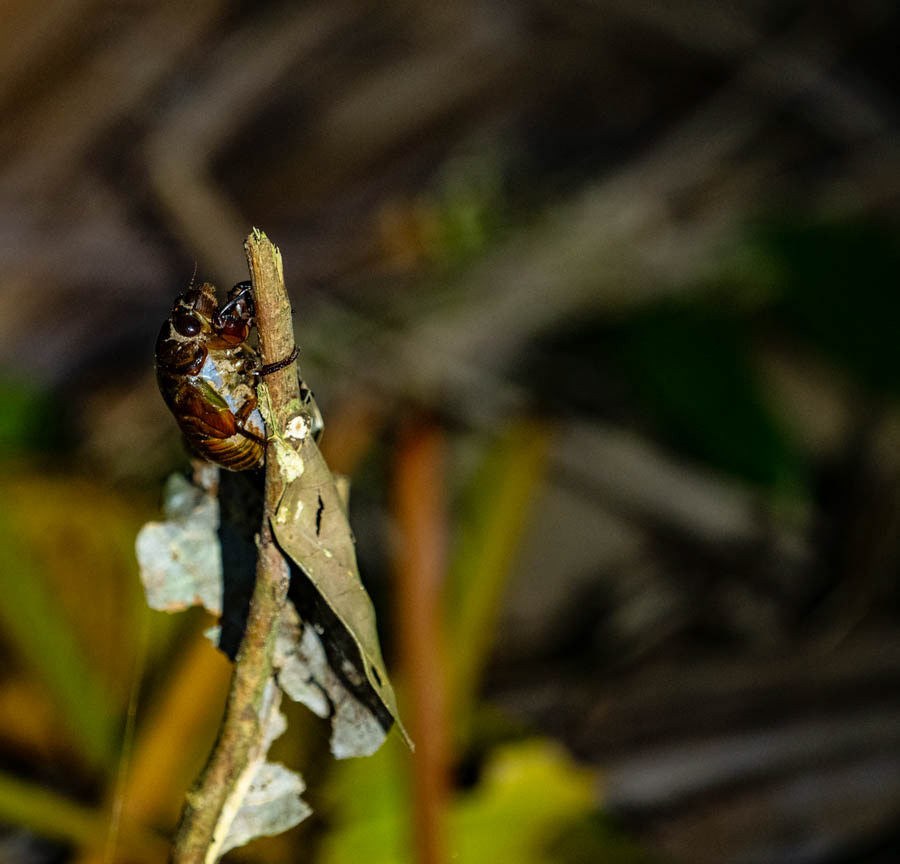
Bush Cricket
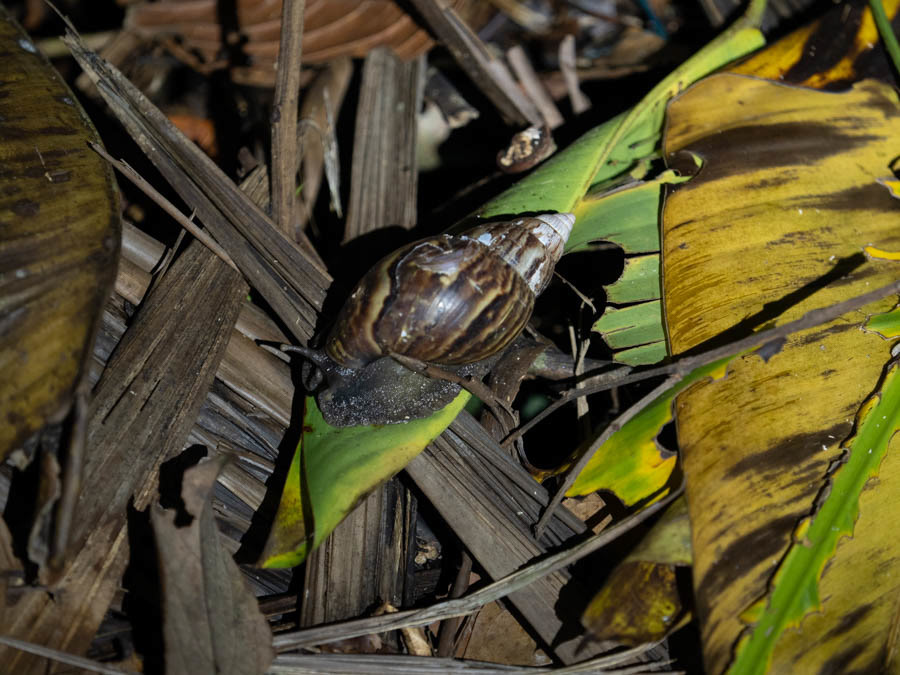
Giant African Land Snail

Tropical Wolf Spider

Bush Cricket
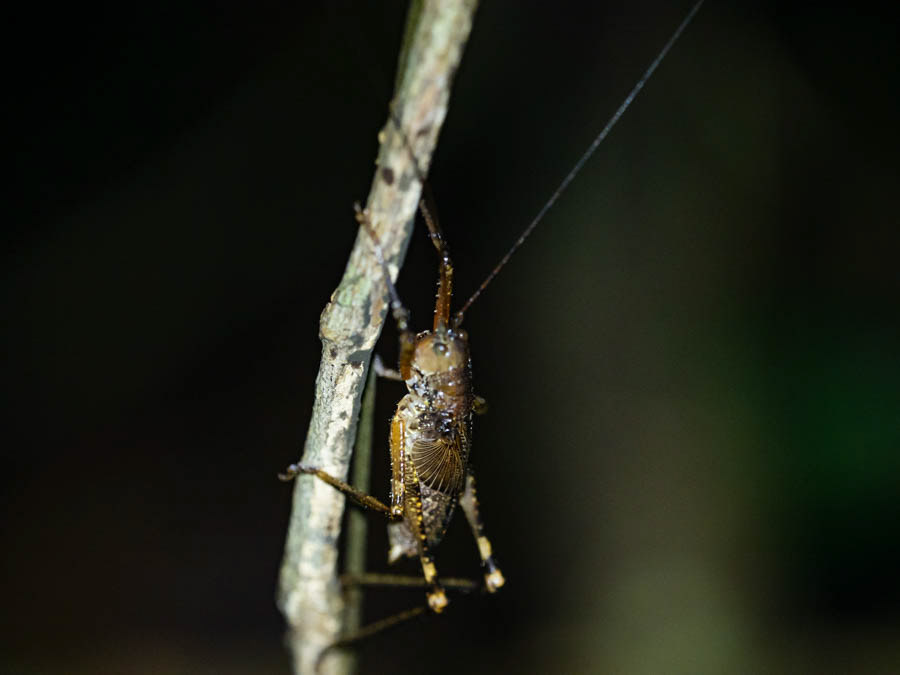
Bush Cricket
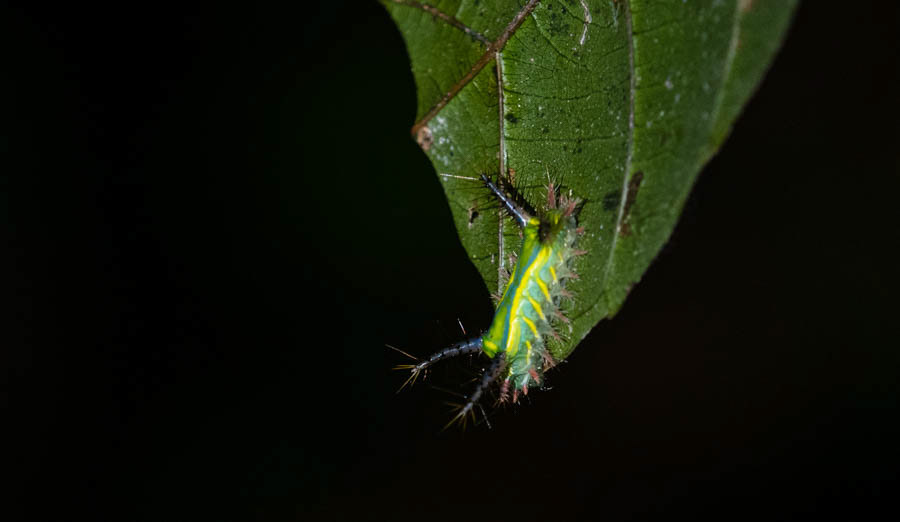
Oriental Moth Stinging Nettle Slug

Black-Footed Yellow Sac Spider
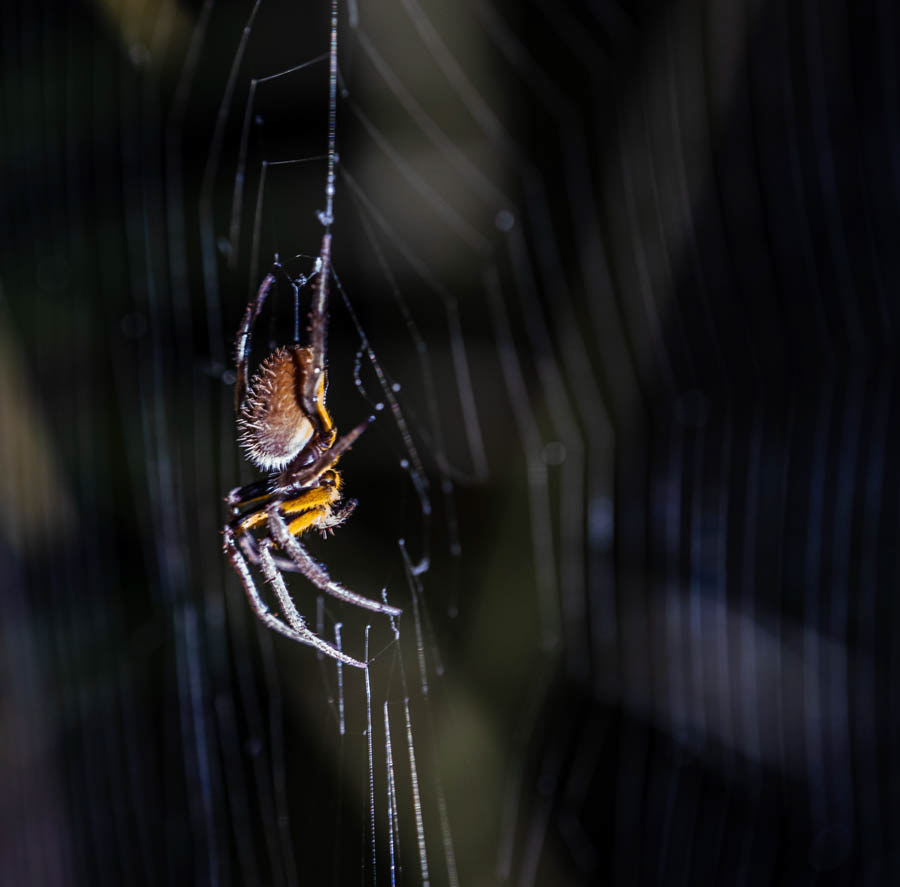
Golden Org Weaver Spider
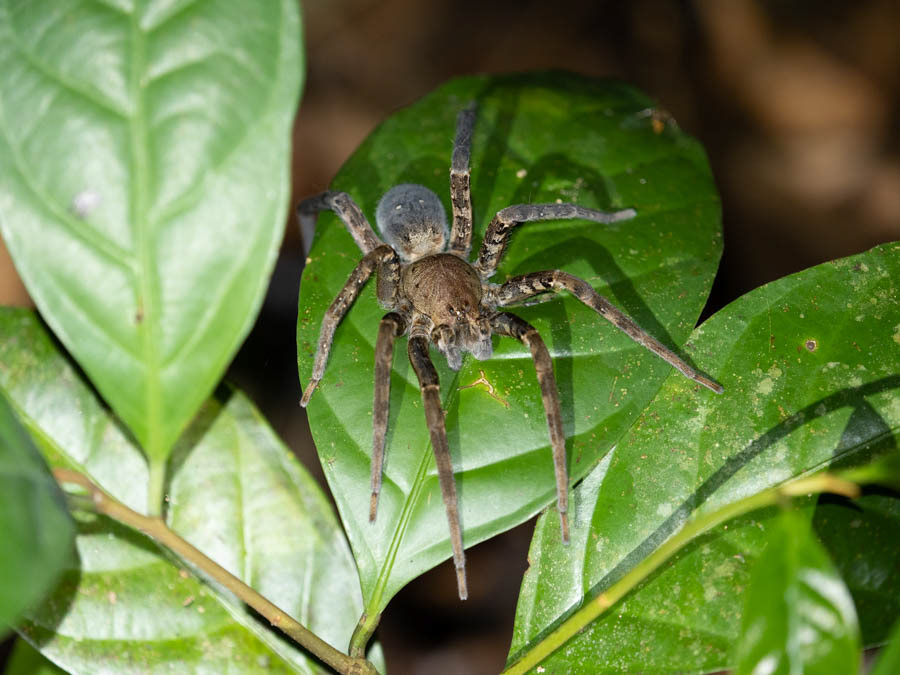
Tropical Wolf Spider

Tropical Wolf Spider
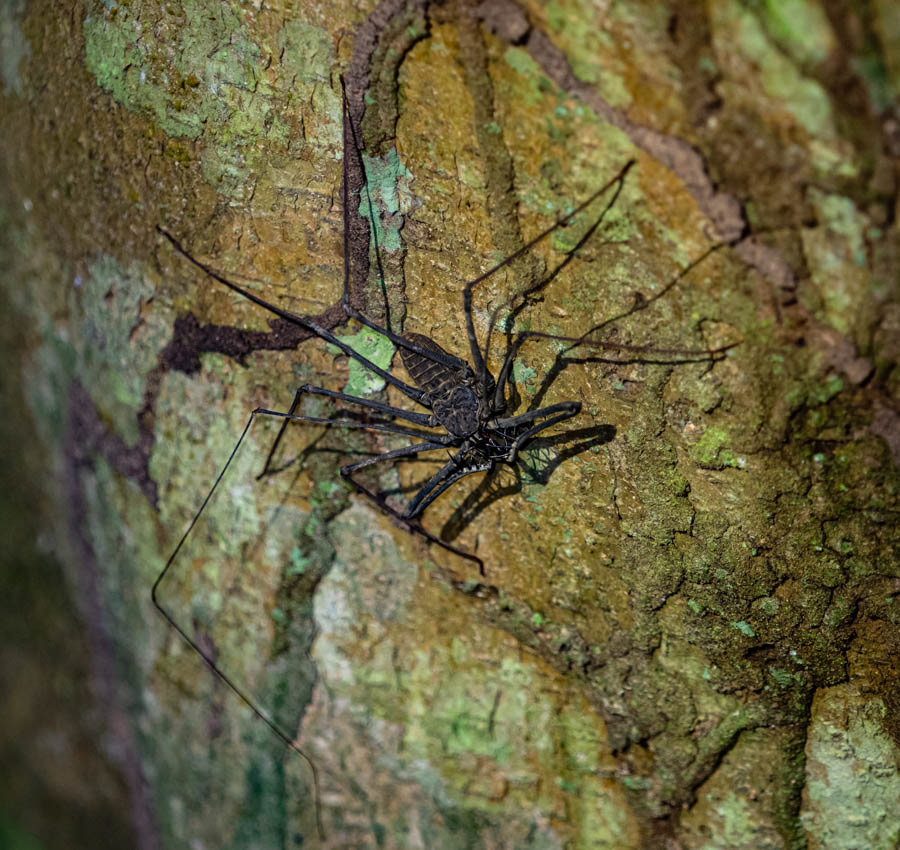
Tailless Whip Scorpion

Tarantula
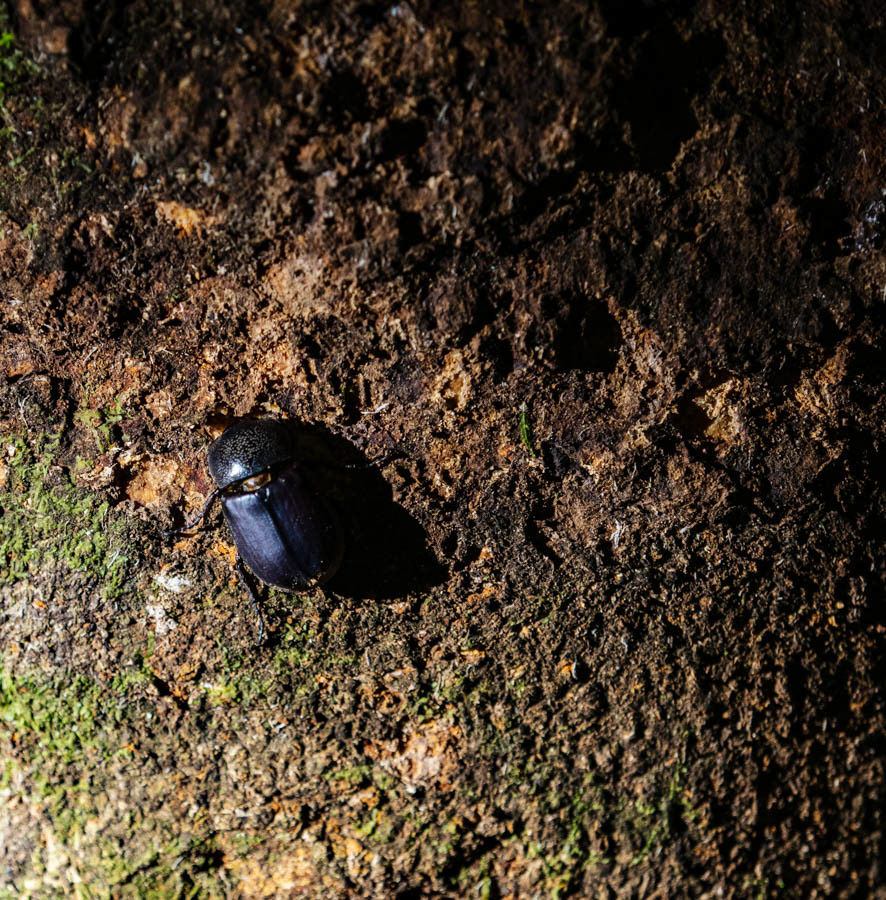
Beetle (possibly Dung Beetle)

Themisto Amberwing Butterfly
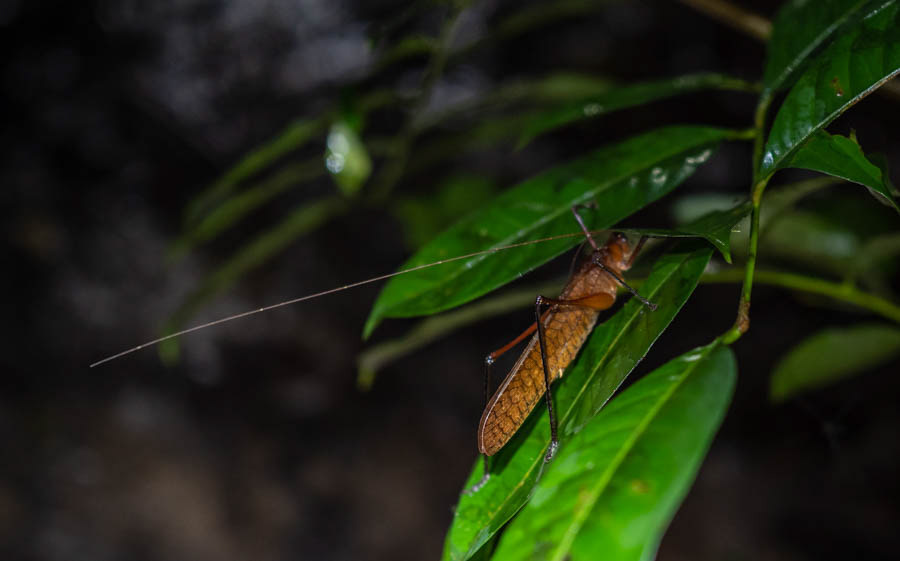
Bush Cricket
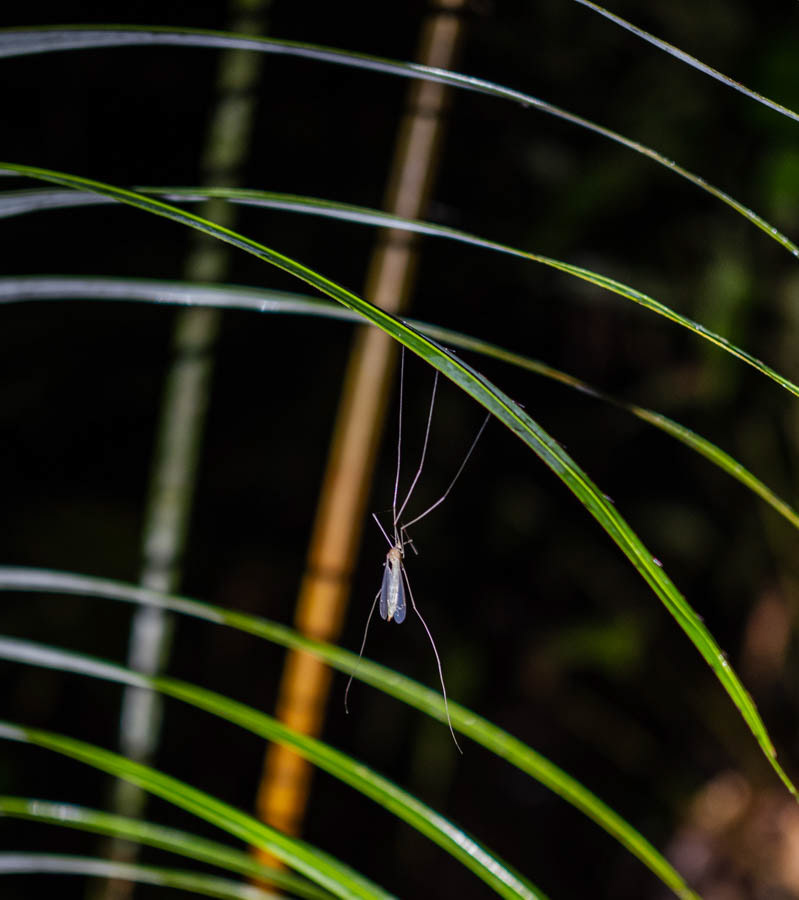
Big-ass Mosquito
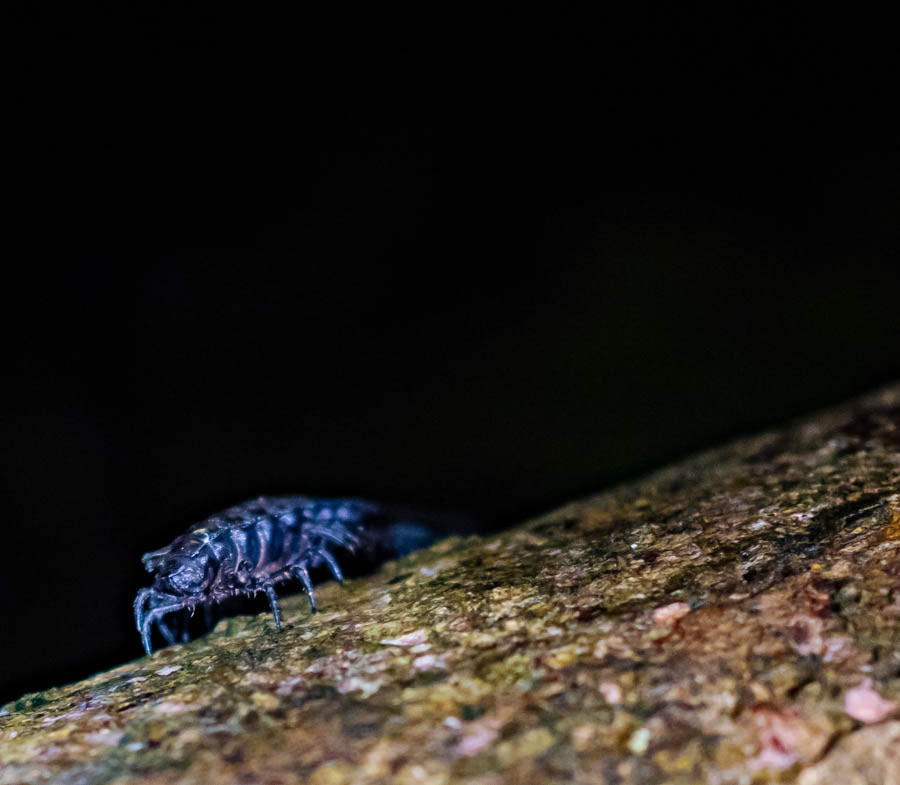
Millipede
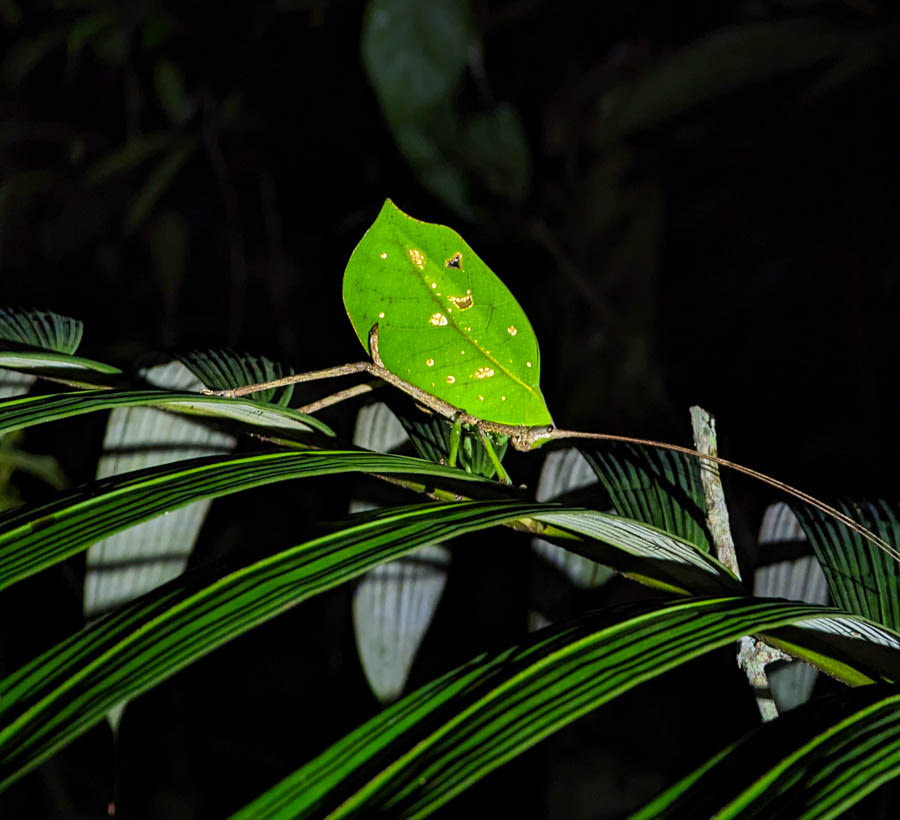
Leaf Cricket
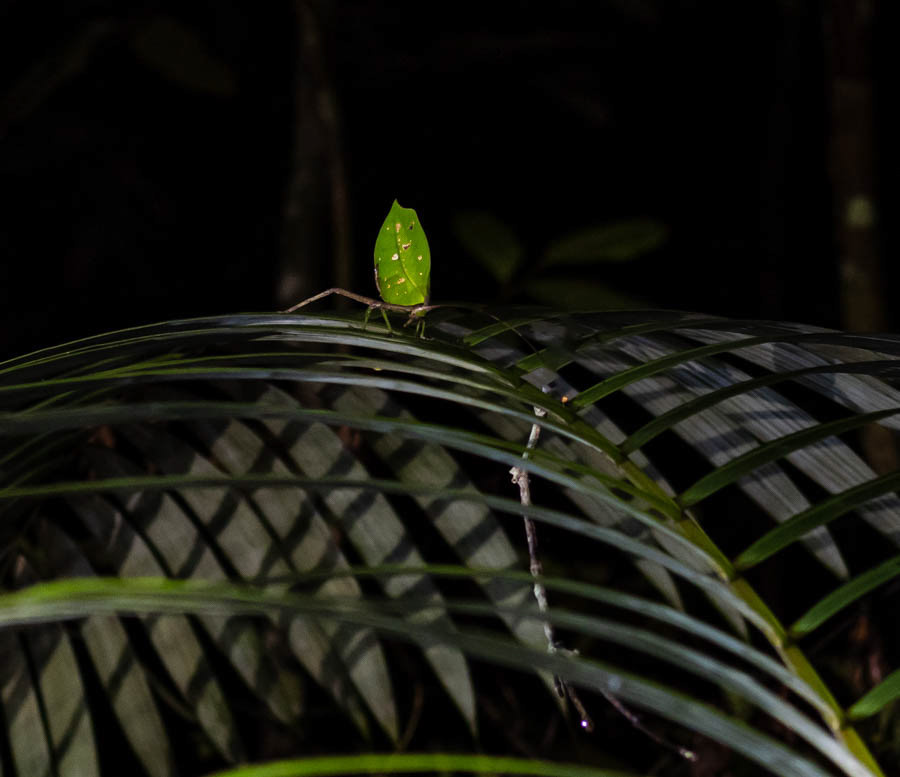
Leaf Cricket - what we didn't see was the red glow (most likely the eyes of a spider) and the purple glow (potentially from the eye of a small snake!)
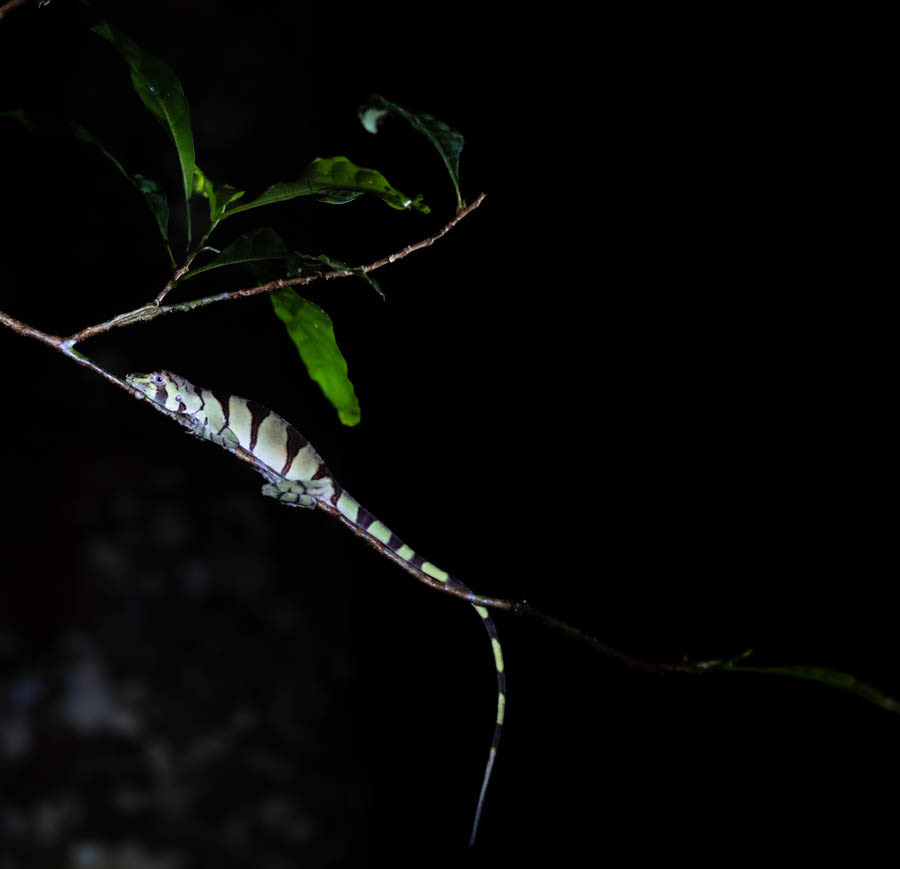
Iguana

Iguana
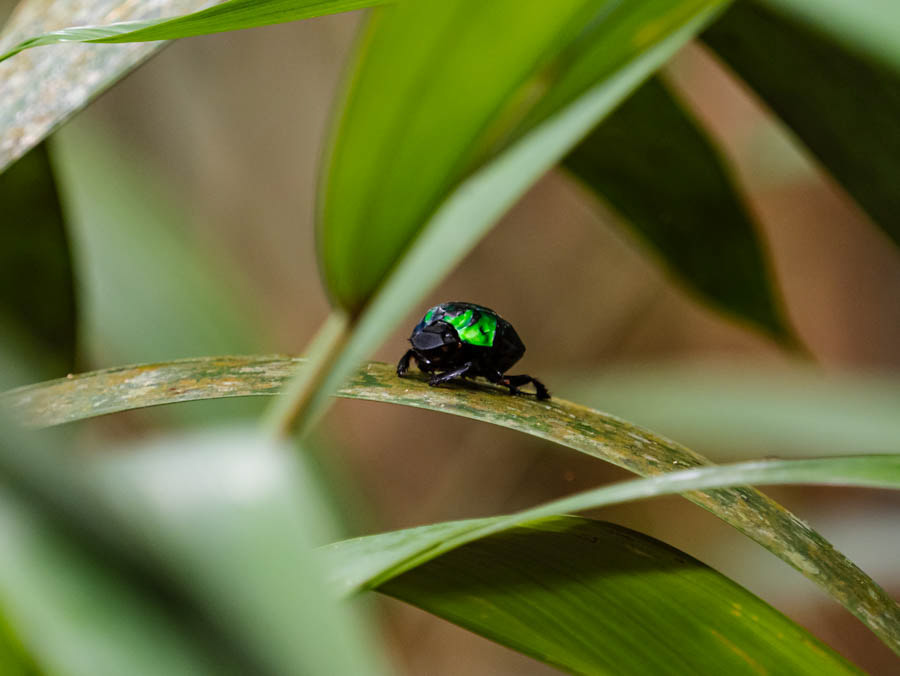
Iridescent Green Scarab

Grass Spider

South American Common Toad
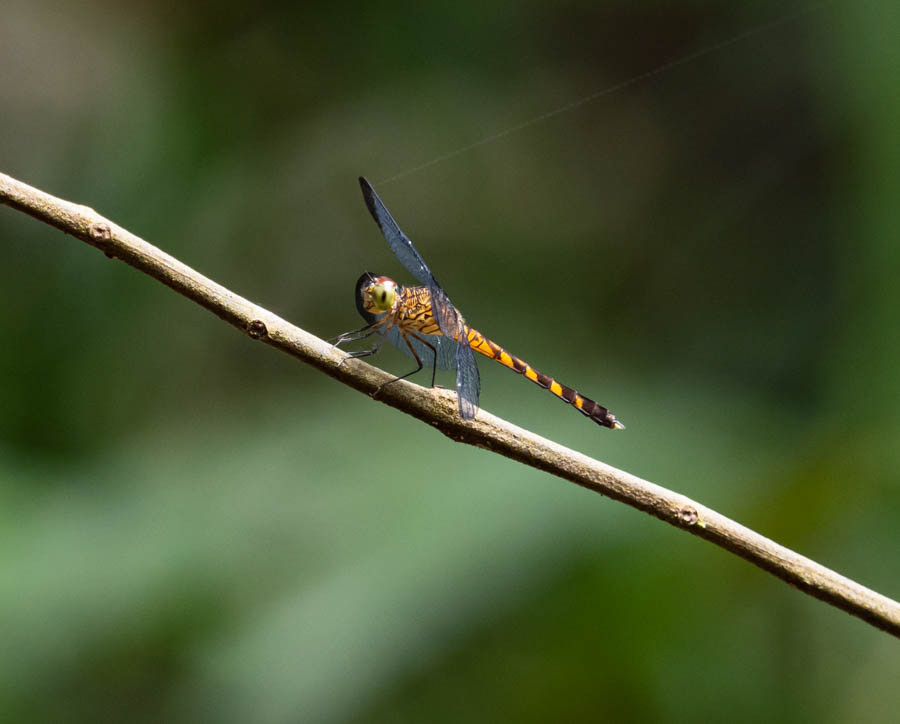
Dragonfly

I think this was a cricket of some sort. It was as large as an oversized crawfish 😳
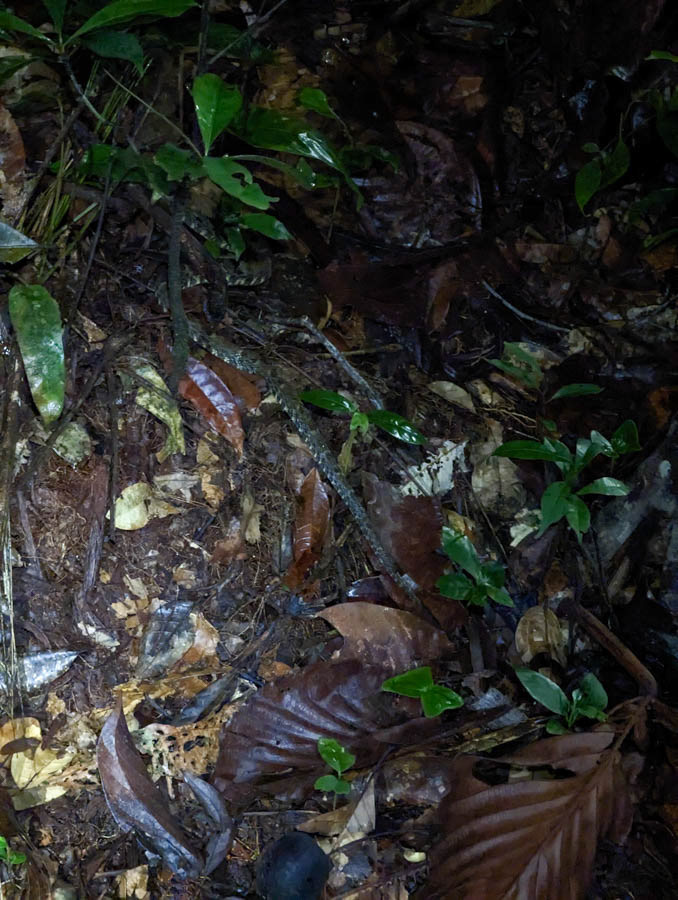
Not a great photo but this is a Fer-de-Lance snake. It's a very poisonous pit viper.
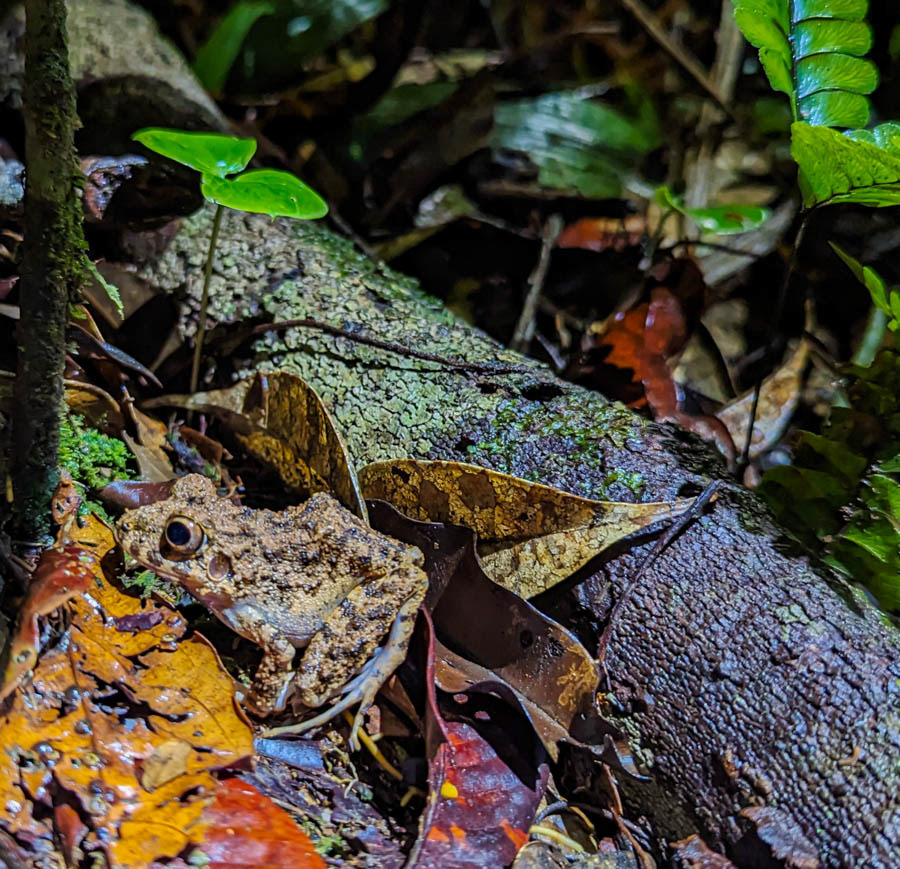
South American Common Toad
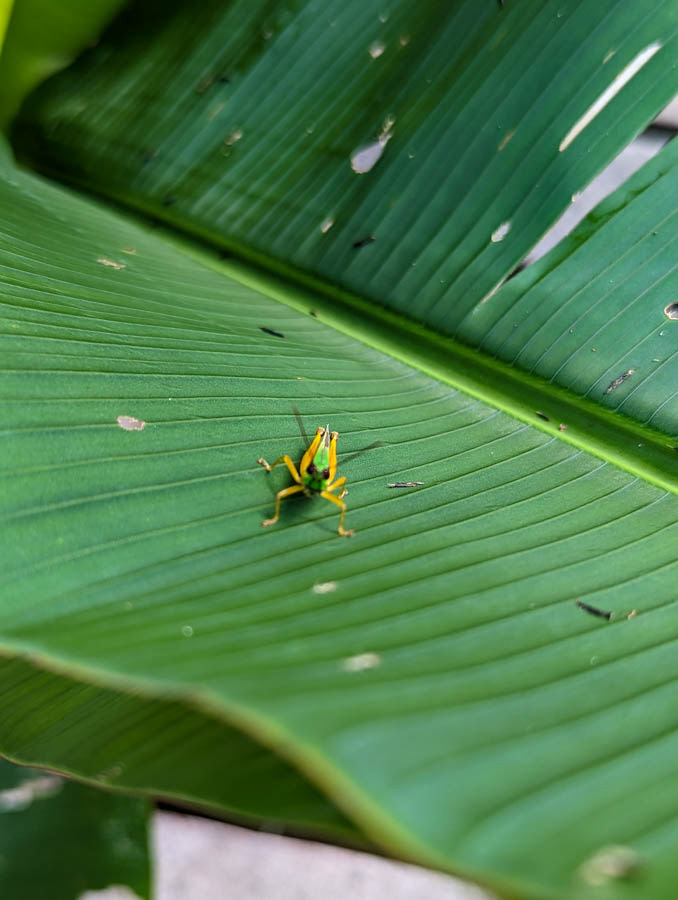
Grasshopper

Grasshopper
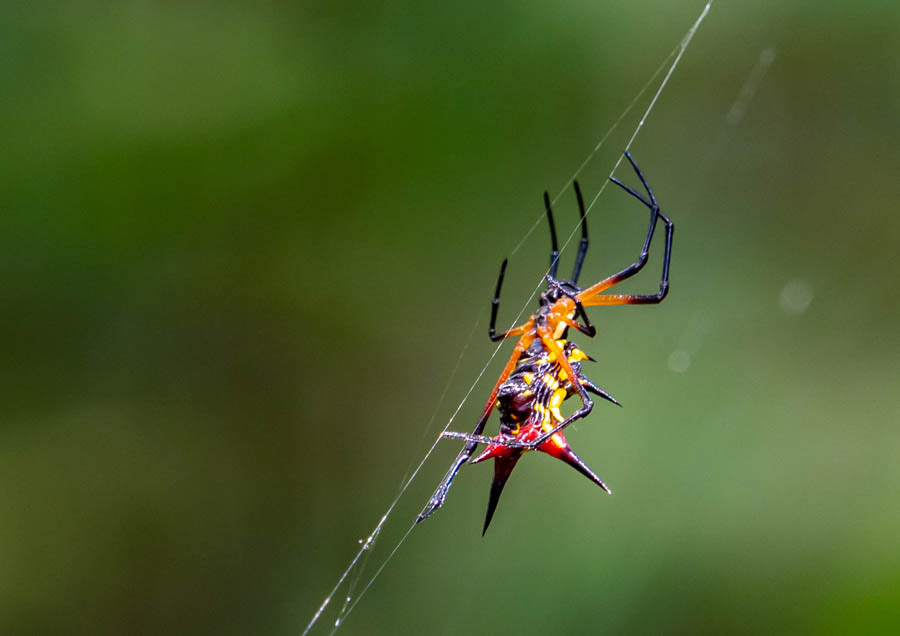
Spiny Orb Weaver Spider
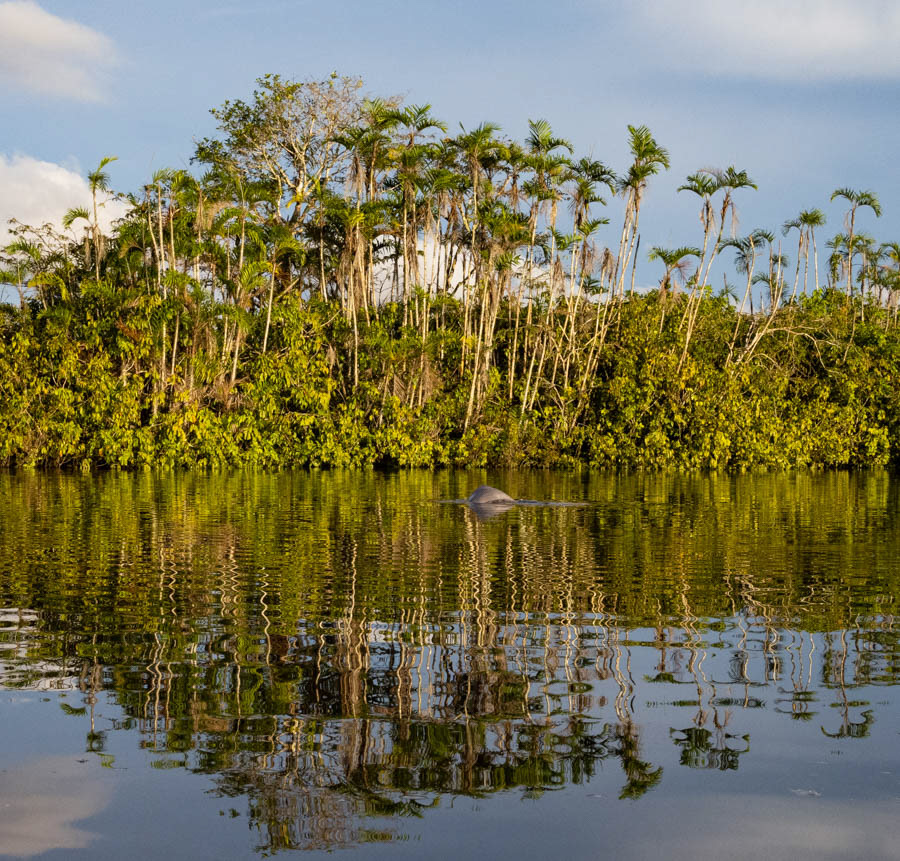
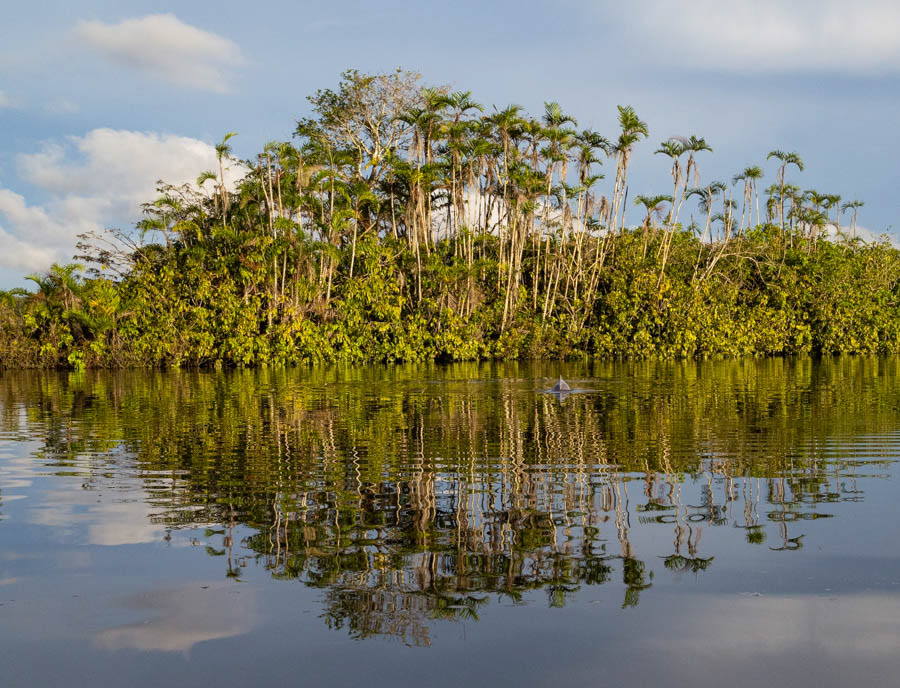
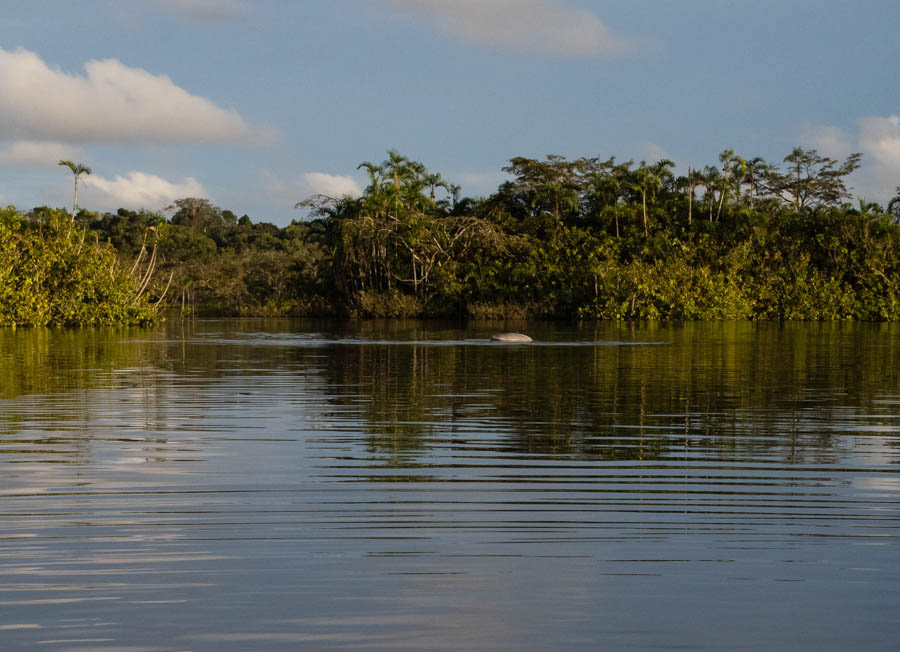
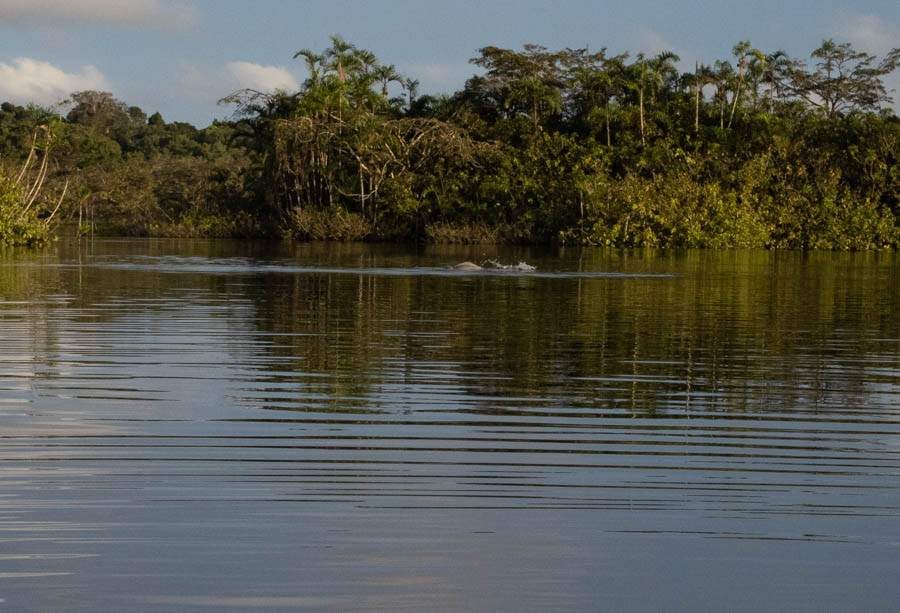
The Amazon river dolphin, also known as the pink river dolphin, is the largest species of river dolphin. Their unique pinkish coloration sets them apart from other dolphin species. The exact reason for their pink coloration is still not fully understood, but it is believed to be due to a combination of genetics, diet, and environmental factors. The texture of the body is robust and strong but flexible. Unlike oceanic dolphins, the cervical vertebrae are not fused, allowing the head to turn 90 degrees. They have one of the widest-ranging diets among toothed whales, and feed on up to 53 different species of fish, such as croakers, catfish, tetras, and piranhas. They also consume other animals such as river turtles, aquatic frogs, and freshwater crabs.